What's in this teardown
- What makes an electric SUV the right choice
- Start with the segment, not the model
- Compact electric SUVs: the mainstream sweet spot
- Midsize electric SUVs: space without the penalty
- Three-row and family electric SUVs
- How much range an SUV actually needs
- Illustrative range by electric SUV class
- Electric SUV classes at a glance
- DC fast charging speed shapes road trips
- Efficiency: why a heavy SUV costs more per mile
- All-wheel drive: when you actually need it
- Towing with an electric SUV
- Cargo and passenger space
- The price tiers, honestly
- Where an electric SUV’s cost goes
- Electric SUV versus a gas SUV on cost
- The warranty and battery questions
- Charging at home versus on the road
- New, used, or leased
- Key questions to ask before you buy
- A worked example: matching an SUV to one family
- Common mistakes when choosing an electric SUV
- The bottom line
The best electric SUV is not a single model on a leaderboard, it is the one whose size, real world range, charging speed, drive, and price match how you actually drive. That is why this teardown does not hand you a ranked list of specific cars with invented specs, because those change with every model refresh and the honest signal is the framework underneath them. Choose the segment that fits your life first, then compare the real models within it on the numbers that matter, and you will end up with a better car than any leaderboard could pick for you.
This article builds that framework from the ground up. It covers how to pick between a compact, midsize, and three row electric SUV, how much range you genuinely need, what DC fast charge speed and efficiency really tell you, when all wheel drive and towing capability are worth their cost, how the price tiers stack up, and the questions to ask before you sign. Every figure here is illustrative and directional rather than a spec for any one car. Size your own needs to a segment in about a minute with the companion fit helper.
Key takeaways
- Choose the segment before the model: a compact electric SUV suits most drivers, a midsize one earns its cost with more space or a tow rating, and a three row model is for families who regularly need the seats.
- Most drivers need far less range than they buy. Aim for a real world range that covers your longest routine trip with a buffer, then let fast charging handle the rest.
- DC fast charge speed matters as much as total range on a road trip. A bigger battery adds miles but does not automatically charge faster; read the charging curve, not just the pack size.
- All wheel drive is worth it for snow, loose surfaces, and towing, but it costs efficiency and money. Towing can cut usable range by roughly a third to a half.
- Electric SUVs usually cost more to buy and less per mile to run than gas SUVs. Whether that trade pays off depends on your mileage, your rate, and how long you keep the car.
What makes an electric SUV the right choice
An SUV earns its keep when you need height, space, and a commanding view, and an electric one adds a quiet, torque rich drivetrain that suits the body well. The low mounted battery drops the center of gravity, so a well engineered electric SUV can feel more planted than a tall gas model, and the instant torque makes a heavy vehicle feel effortless around town. For families, road trippers, and anyone hauling gear or dogs, the shape is genuinely useful rather than fashionable.
The trade is that an SUV is the least efficient body style an EV can wear. Height and a large frontal area push more air, and the extra weight costs energy to move, so an electric SUV spends more kilowatt hours per mile than a sedan with the same battery. That is not a reason to avoid one, it is a reason to buy only as much SUV as you need. The right electric SUV is the smallest, most efficient body that still fits your passengers, your cargo, and your longest routine trip, because every size you add up is paid for in a bigger battery and a higher cost per mile. Start your own sizing in the companion fit helper.
Start with the segment, not the model
The most common buying mistake is starting with a model name and working backward. Model lineups shift constantly, specs get refreshed, and the car that led a list last year may not this year, so anchoring on a badge locks you into a moving target. The durable approach is to fix your needs first, choose the segment that meets them, and only then compare the handful of real models that live in that segment. The framework outlasts the model year.
A segment is just a size and price band with a typical set of trade offs. Compact electric SUVs cluster around efficiency and affordability, midsize ones add space and capability at a higher cost, and three row models trade efficiency for maximum room. Within each band the specific cars differ in range, charging speed, and features, but the band sets the ballpark for what you will pay and how efficient the car will be. Decide the band from your real needs, and you have narrowed a bewildering market to a short, comparable list. The companion fit helper points you to a segment from a few honest answers about your driving.
Compact electric SUVs: the mainstream sweet spot
The compact electric SUV is the default recommendation for most buyers, and for good reason. It seats up to five, swallows enough cargo for daily life and most trips, and rides on a mid sized battery that keeps both the price and the cost per mile reasonable. Because it is lighter and less boxy than its larger siblings, it is the most efficient SUV class, so it stretches each kilowatt hour further and charges relatively quickly for the range it adds. For a couple, a small family, or a solo driver who wants space and a high seating position, it covers almost everything.

Compact models commonly offer an illustrative 250 to 300 miles of rated range, which for a home charging driver is days of buffer between plug ins. They also occupy the most competitive part of the market, so there are many models to compare and prices tend to be keenest. Unless a specific need pushes you upward, more seats, more towing, or a genuinely longer routine trip, the compact class is where most buyers should look first, and where the money goes furthest. Verify current models rather than trusting any single figure, and see whether a compact fits your driving in the companion fit helper.
Midsize electric SUVs: space without the penalty
A midsize electric SUV steps up in passenger room, cargo volume, and often tow rating, and it is the natural choice when a compact feels tight but you do not need a third row. The extra length usually means more comfortable second row space, a larger cargo hold, and a bigger battery that can support a longer rated range and a real towing figure. Many midsize models also offer a dual motor all wheel drive option, which adds traction and quicker acceleration for buyers who want it.
The cost of stepping up is real and worth naming. A larger, heavier body with a bigger pack costs more to buy and spends more kilowatt hours per mile, so the same electricity buys fewer miles than a compact would return. Midsize electric SUVs commonly carry illustrative ranges in a broad band, sometimes higher than a compact thanks to the larger pack, but their efficiency is lower, so the range advantage is smaller than the battery size suggests. Choose this class when you have a concrete reason: more people, more gear, a boat or trailer, or frequent long drives where the extra buffer helps. If you do not, the compact class does most of the same job for less. Weigh the step up against your real needs in the companion fit helper.
Three-row and family electric SUVs
A three row electric SUV exists to carry six or seven people or a very large volume of cargo, and it is the right tool only when you genuinely and regularly need that capacity. The third row and the longer body ride on the biggest, heaviest batteries in the class, which is what makes these models both the priciest to buy and the thirstiest to run. When the seats are full and the family is together, that cost buys daily, tangible utility that no smaller car can match.
The honest caution is to size to the common need, not the rare one. Many buyers are tempted by a third row they will fold flat most of the time, paying for a heavy pack and lower efficiency to cover a handful of trips a year. If your third row would see occasional use, a compact or midsize SUV plus a rental for the rare big trip is often cheaper and more efficient over the life of the car. Reserve the three row class for households that carpool, travel deep with extended family, or simply fill those seats often enough that the space is a weekly reality rather than a just in case. Our longest range EV teardown explains why the biggest battery does not always mean the most range, which matters most in this heavy class.
How much range an SUV actually needs
Range is where anxiety and marketing meet, and the honest answer is that most drivers need less than they think. If you can charge at home, you begin every morning with a full battery, and most people drive well under 40 miles a day, so even a modest electric SUV starts the day with a week of commuting in the tank. The full range only comes into play on occasional longer trips, which is exactly what DC fast charging exists to handle. Buying range you rarely use is buying an expensive battery that mostly sits idle.
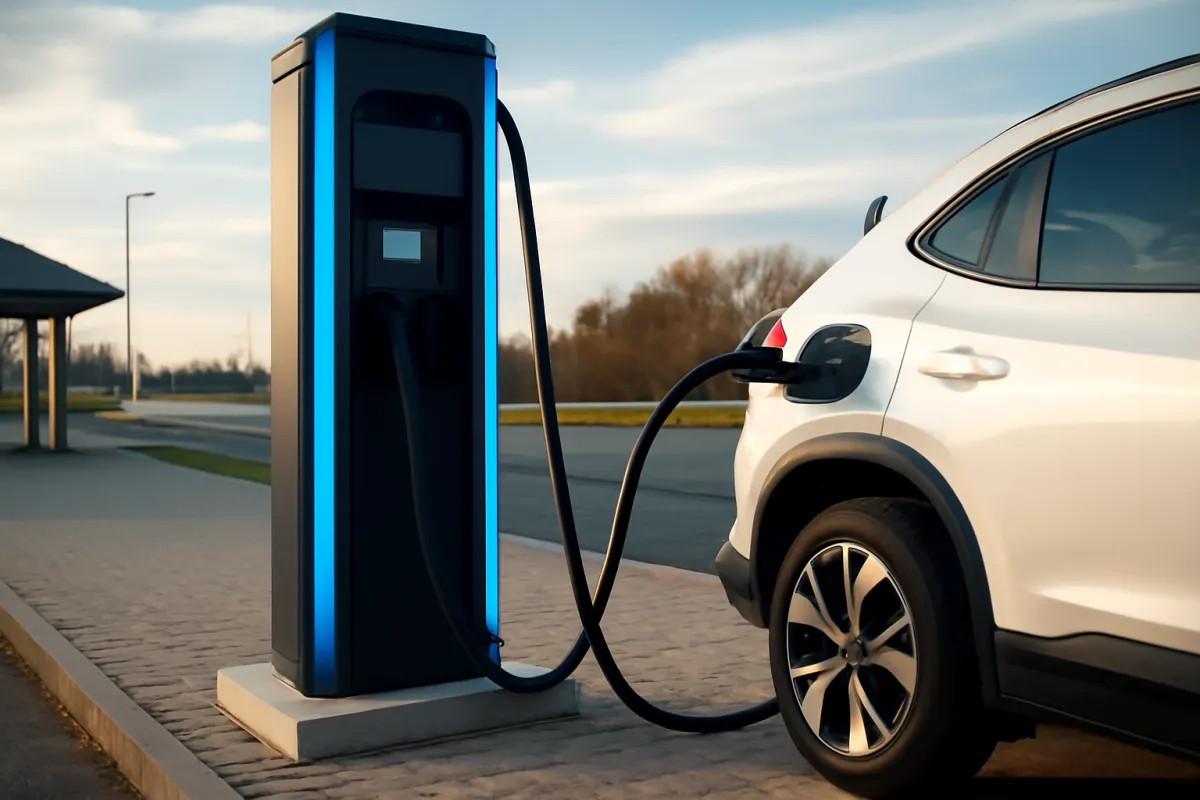
Because SUVs are heavy and boxy, their real world highway range often lands an illustrative 15 to 25 percent below the rated figure, more in cold weather or at high speed. The practical way to size a car is to take your longest routine drive, add a margin, and shop for a rated range with clear headroom above that real world need. A useful rule is to size the SUV so its real world range comfortably covers your longest regular trip with a buffer, then let fast charging absorb anything beyond it. Our longest range EV teardown works through the range math in depth, and the companion fit helper turns your daily and trip miles into a target rated range.
Illustrative range by electric SUV class
Numbers land better side by side, so the chart below places the main electric SUV classes on one scale using commonly cited, illustrative ranges rather than any specific model. The point is the shape of the spread, not a precise figure for any one car, and every bar is directional. Note how a long range midsize model can out range a heavier three row SUV, because efficiency, not just battery size, sets the miles.
Illustrative rated range by electric SUV class
Commonly cited, illustrative full-charge ranges for a long-range trim in each class; directional, not model-specific.
Each bar is an illustrative rated figure for a long-range version of that class, scaled against the midsize leader at 100 percent. A boxy off-road SUV lands low despite a large pack because its efficiency is poor.
The pattern that matters is durable even as specific cars change: efficiency and battery size together set the range, and the tallest, most rugged bodies pay a range tax for their shape. Read any model’s rated range next to its efficiency, and discount it for your real conditions before you decide.
Electric SUV classes at a glance
The same information in table form makes the trade offs easy to scan. Every figure is illustrative and rounded, meant to show relationships rather than to quote a model, and real numbers shift with the exact car and how you drive it.
| Electric SUV class | Typical rated range | Typical use | Best for |
|---|---|---|---|
| Subcompact / entry | ~220 miles | City driving, short commutes | Budget buyers, solo drivers, second cars |
| Compact | ~280 miles | Daily driving with occasional trips | Most buyers, couples, small families |
| Long-range midsize | ~330 miles | Frequent long drives, light towing | Space plus range, road-trip households |
| Three-row / large family | ~300 miles | Carrying six or seven, heavy cargo | Larger families, carpools, gear haulers |
| Rugged / off-road | ~260 miles | Trails, loose surfaces, adventure | Off-road use, where range is secondary |
Use the table to place any real model quickly, then compare within a class on charging speed, efficiency, warranty, and price. The class sets the ballpark; the specific numbers decide between cars inside it.
DC fast charging speed shapes road trips
Total range gets the headlines, but on a real road trip charging speed often matters more, and the two are easy to confuse. Consider two electric SUVs with the same real world range. One refills from a low charge to 80 percent in around 25 minutes; the other takes 45. Across a long day of driving, the faster charging SUV spends far less time stopped for the same miles, so it effectively out road trips the one with identical range. Range removes some stops, charging speed shortens the ones you keep.
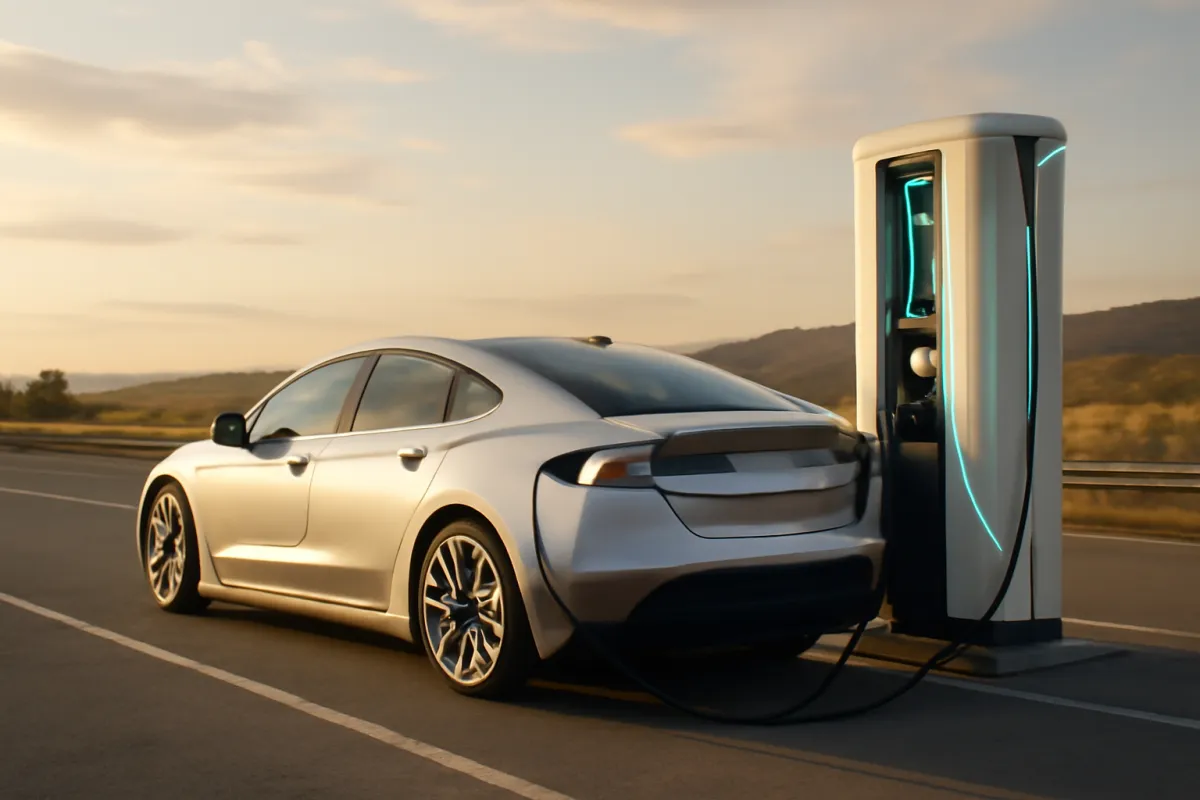
The number to read is the peak DC fast charge rate and, just as important, how long the car holds that peak before it tapers near the top. A larger battery adds total range but does not automatically charge faster, and some big packs actually charge slowly relative to their size, which erodes the road trip advantage the range implied. Efficiency helps here a second time: a more efficient SUV adds more miles per kilowatt hour it receives, so at the same charging power it gains usable range faster. When you compare SUVs for trips, weigh the charging curve as heavily as the range, and note the connector and network the car uses. Our charging time teardown breaks down what really governs a stop’s length.
Efficiency: why a heavy SUV costs more per mile
Efficiency is the quiet number that decides both how far an SUV goes and what it costs to run, and buyers routinely overlook it in favor of range. Efficiency, usually shown as miles per kilowatt hour or kilowatt hours per 100 miles, captures how hard the car is to move through the air and down the road. A tall, heavy SUV is harder to move than a sleek sedan, so it spends more energy per mile, which means it needs a bigger battery to reach the same range and costs more to charge for the same distance.
This is why a large SUV with an enormous pack can still return less range than a lighter model with a smaller battery, and why two SUVs with similar range can cost noticeably different amounts to run. When you compare electric SUVs, look past the range headline to the efficiency figure, because that number is quietly setting your fuel bill. A more efficient SUV is cheaper per mile, adds range faster when fast charging, and needs less battery to do the same job. Our cost per mile teardown prices out how efficiency and your electricity rate combine into a per mile figure, and the companion fit helper uses your driving to point toward the class that fits.
All-wheel drive: when you actually need it
All wheel drive is one of the most oversold options in the market, genuinely useful for some drivers and pure cost for others. A dual motor AWD electric SUV drives all four wheels, which adds traction on snow, ice, wet roads, and loose surfaces, improves stability when towing, and usually delivers quicker acceleration. On many models the longest range or most capable trim is only available with AWD, so the choice can be bundled with other features you want. For drivers in real winter climates, or those who tow or venture off pavement, it is worth the money.
The trade is that a second motor adds weight and complexity, which usually trims efficiency and range slightly and raises the price. A single motor SUV, driving two wheels, is lighter, more efficient, and cheaper, and modern traction and stability control make it perfectly capable in mild conditions. The honest rule is to buy AWD for a reason, snow, towing, or unpaved roads, rather than as a default. If you drive mostly paved roads in a temperate climate, the single motor version will serve you well and save you both money and range. The companion fit helper flags whether your climate and towing answers call for AWD.
Towing with an electric SUV
Electric SUVs make surprisingly good tow vehicles in one respect and challenging ones in another, and separating the two is the key to a sensible decision. Their instant torque pulls a heavy load away from a stop without drama, and the low, central battery keeps the whole rig stable, so the driving experience of towing can be excellent. Many midsize and larger electric SUVs carry genuine tow ratings that cover trailers, boats, and campers within their limits.
The real constraint is range. A trailer is both heavy and aerodynamically unhelpful, so towing can cut usable range by roughly a third to a half depending on the load, the speed, and the shape of what you pull. On a long tow, that means far more frequent fast charging stops, and not every charging site is easy to reach with a trailer attached. If you tow occasionally and locally, an electric SUV with a real tow rating and quick charging handles it comfortably. If you tow heavy loads over long distances often, weigh whether the extra stops fit your patience before you commit, and plan legs around the towing range rather than the solo figure. Our road trip planning teardown covers sizing legs around real efficiency, and our full teardown on whether an electric car can tow works the trailer math, ratings, and charging logistics in detail.
Cargo and passenger space
Space is the reason many buyers want an SUV in the first place, and electric models bring a structural advantage worth understanding. With no engine or transmission, many electric SUVs use the space under the hood for extra storage, a front trunk that adds usable, secure cargo room on top of the rear hold. The flat floor over the battery also tends to open up rear passenger foot room, so an electric SUV can feel roomier inside than its exterior size suggests.
That said, cargo and passenger space still scale with the body, so the class you choose sets the ceiling. A compact SUV handles strollers, groceries, and weekend gear; a midsize adds room for larger loads and more comfortable second row travel; a three row model maximizes both seats and cargo when the rearmost seats are folded. When you compare models, look at real measurements rather than the impression the tall body creates, and check how the space works with the seats up and folded, since that is how you will actually use it. If space is your driving reason to buy, prioritize the interior numbers over the range headline, then confirm the range still covers your routine in the companion fit helper.
The price tiers, honestly
Electric SUVs span a wide price range, and the tier you land in is set mostly by size and battery. Entry and compact models occupy the most affordable and competitive band, midsize models sit in the middle, and three row and premium models reach the top, because a bigger body needs a bigger, costlier pack and usually adds features to justify the price. The battery is the single most expensive part of any EV, so range and size both push the sticker upward in step.

Incentives can move the effective price meaningfully, and the rules around them change, so confirm the current terms rather than assuming a figure. Our electric car price teardown walks through the tiers and what drives them, and our tax credit teardown covers how incentives work and how quickly they shift. The takeaway is that price and size move together, so choosing the smallest class that meets your needs is also the surest way to keep the price down. See which tier your needs point to in the companion fit helper.
Where an electric SUV’s cost goes
It helps to see where the money in an electric SUV actually goes, because it explains why size and range drive the price so directly. The chart below gives an illustrative breakdown of a new electric SUV’s cost, with the shares summing to 100 percent. The battery pack is the largest single slice, which is exactly why a larger, longer range SUV costs more, and why falling battery costs pull the whole number down over time.
Illustrative breakdown of a new electric SUV's cost
Directional shares of where the money in a new electric SUV goes; illustrative, not a quote for any model.
The four slices sum to 100 percent of the cost, not of the price. Because the pack dominates, choosing a class larger than you need pays for battery twice: at purchase and per mile.
The lesson from the split is simple. Because the pack is such a large share of the cost, the two levers that most move an SUV’s price are its size and its range, both of which mean more battery. Buy the smallest class and the range headroom you actually need, and you control the biggest part of the bill.
Electric SUV versus a gas SUV on cost
The most common question behind an electric SUV purchase is whether it costs more than a comparable gas SUV, and the honest answer is that it usually costs more to buy and less to run. The higher sticker comes from the battery, though incentives and cheaper cells have narrowed the gap. Against that upfront premium, home charged electricity commonly costs far less per mile than gasoline, and an electric drivetrain has fewer moving parts, no oil changes, and less brake wear thanks to regenerative braking, so routine maintenance tends to be lower.
Whether those running savings repay the higher price depends on your specifics: how many miles you drive, your electricity rate, how long you keep the car, and crucially whether you charge at home. A high mileage driver with cheap home electricity reaches break even quickly; a low mileage driver who relies on public fast charging may never see the gap close. This is why a blanket claim in either direction is misleading. Our is an electric car worth it teardown walks the break even math step by step, and our EV versus gas cost teardown prices both cars side by side. Run your own numbers before you assume an answer.
The warranty and battery questions
The battery is the heart of an electric SUV and the part buyers worry about most, so it is worth understanding how it is protected. Federal rules back most EV batteries with a warranty commonly cited around eight years or 100,000 miles, defending a minimum capacity threshold during that window, which covers the years most owners drive the car. Batteries fade gradually, commonly in the low single digit percent per year, far more slowly than people fear, and a modern pack typically holds most of its usable range well beyond the warranty period.
For an SUV specifically, the large pack that costs so much to buy is also a buffer against aging, because it starts with far more range than daily driving needs, so even years of gradual fade still leave plenty of usable miles. When you compare models, check the battery warranty terms, the stated capacity protection, and any conditions attached, since these vary. If you are considering a used electric SUV, verify the battery health and remaining warranty rather than trusting the odometer alone, because the pack is the value being negotiated. Our used EV buying teardown covers the battery check in detail, and our best used EVs teardown frames where the value sits.
Charging at home versus on the road
How you will charge matters as much as which SUV you buy, because it decides both your cost per mile and your daily convenience. Home charging is the quiet advantage that makes an electric SUV cheap and effortless: you plug in overnight, wake to a full battery, and pay the low home electricity rate for nearly every mile. A Level 2 home charger refills any SUV overnight regardless of pack size, so daily driving never involves a public stop or a thought about range.
Without home charging, the calculus shifts. Public fast charging costs more per kilowatt hour, often several times the home rate, so the running cost savings that make an electric SUV attractive shrink, and you trade overnight convenience for planned stops. That does not rule out an electric SUV if you lack a home plug, but it raises the importance of fast charge speed, nearby network coverage, and any workplace or destination charging you can use. Be honest about your charging situation before you buy, because it changes both the numbers and the daily experience. Our home charging teardown covers the overnight routine, and the companion fit helper weighs your charging answer into its recommendation.
New, used, or leased
Once you have a segment, the last big decision is how to acquire the car, and each route suits a different buyer. Buying new gets you the latest range, charging speed, and features, plus the full warranty, at the highest price. Buying used takes advantage of the steep early depreciation many EVs see, so a two or three year old electric SUV can cost far less than new while still carrying years of battery warranty, provided you verify its health. Leasing keeps the payment predictable and the commitment short, which suits buyers who want to stay current as the technology moves quickly.
The right route depends on how long you plan to keep the car, your tolerance for depreciation, and whether you value the newest technology or the lowest cost. A long term owner who drives many miles often does best buying, new or used, and keeping the car well past its break even point. A buyer who likes to change cars every few years, or who is nervous about a fast moving market, may prefer leasing. Our electric car price teardown compares the routes on the numbers, and our used EV buying teardown covers the checks that protect a used purchase.
Key questions to ask before you buy
Before you settle on any electric SUV, a short list of honest questions cuts through the marketing and points you to the right car. Answer them for yourself first, then use them to interrogate any model you are considering.
- How many people and how much cargo do I carry, most weeks? This sets your segment. Do not buy a third row for a few trips a year.
- What is my longest routine drive, and can I charge at home? These size your real world range need and decide how much your miles will cost.
- Do I tow, drive in snow, or go off pavement? These decide whether a tow rating and all wheel drive are worth their cost and range penalty.
- How fast does it fast charge, and how long does it hold the peak? On road trips this matters as much as total range.
- What is the efficiency, not just the range? Efficiency sets your cost per mile and how fast the SUV charges relative to the miles it adds.
- What are the battery warranty terms, and what do incentives actually do to the price? Confirm current figures rather than assuming.
Work through these honestly and the market narrows itself. The companion fit helper turns your answers to the first questions into a segment, a range target, and a drive recommendation.
A worked example: matching an SUV to one family
Numbers land harder as a story, so here is one illustrative family working through the decision, with every figure directional rather than a spec for any car. Call them a household of four with a dog, who drive about 40 miles on a typical day, take a 200 mile trip to see relatives a handful of times a year, live where winters bring real snow, and can charge at home. They are tempted by a three row model but are not sure they need it.
The seat question decides the segment first: four people and a dog fit comfortably in a compact or midsize SUV, so the third row would fold flat almost always, and they set the large class aside. Their 40 mile days mean any modern SUV starts the morning with a week of buffer, and their 200 mile trip needs a real world range of maybe 240 miles with margin, which points to a compact or midsize with a rated range around 300 miles to leave headroom. The snow makes all wheel drive worth its slight range cost, and home charging keeps their per mile cost low. They choose an efficient midsize AWD SUV, size their trip legs around fast charging, and skip the third row they would rarely use. The lesson is the shape, not the exact figures: they sized to their real weekly life, not to the rare maximum. Run your own version in the companion fit helper.
Common mistakes when choosing an electric SUV
A handful of predictable mistakes lead buyers to the wrong electric SUV, and naming them is half the cure.
- Buying more size than you need. A third row or a large body you rarely fill is a heavy, expensive pack you pay for twice, at purchase and per mile. Size to the common need.
- Chasing the biggest range number. Most drivers use a fraction of their range daily. A real world range that covers your longest routine trip with a buffer is the honest target, not the largest figure on the lot.
- Ignoring efficiency. Two SUVs with similar range can cost very different amounts to run. The efficient one is cheaper per mile and charges faster relative to the miles it adds.
- Overlooking charging speed. On road trips, how fast the SUV fast charges and how long it holds the peak often matters more than total range. Read the charging curve.
- Adding all wheel drive by default. AWD earns its cost in snow, towing, and off road use, and costs efficiency and money everywhere else. Buy it for a reason.
- Forgetting to check the charging situation. Without home charging, the running cost advantage shrinks. Confirm how you will charge before you assume the savings.
Each mistake pushes buyers toward overpaying for a number, when the honest signal is a segment, a range, and a drivetrain matched to how you actually live.
The bottom line
The best electric SUV is not a model you can look up, it is the smallest, most efficient body that fits your passengers, your cargo, your longest routine trip, and your budget. Choose the segment first: a compact SUV for most drivers, a midsize one when you need more space or a tow rating, and a three row model only when you genuinely fill the seats. Then compare the real models within that band on the numbers that matter, real world range with headroom, DC fast charge speed and the charging curve, efficiency, all wheel drive if your climate or towing calls for it, and the battery warranty.
Size the range to your routine rather than the rare maximum, weigh charging speed as heavily as range for trips, and be honest about whether you tow, see snow, and can charge at home, because those answers change the right car more than any badge does. Electric SUVs usually cost more to buy and less to run than gas ones, and whether that trade pays off is your own math to run, not a claim to accept. Match the segment to your life, verify the current numbers on the models you shortlist, and you will end up with a better SUV than any ranked list could hand you. Start with a few honest answers in the companion fit helper, then let your real needs guide the choice.
This teardown is educational and independent, written to explain how to choose an electric SUV rather than to rank or endorse specific models. Every range, efficiency, percentage, cost share, and price band above is illustrative and directional, framed as commonly cited rather than measured, and is meant to show the shape of the decision, not to specify any particular vehicle. Real figures shift with the exact model, its usable battery and efficiency, your seats and cargo, your speed, climate, terrain, towing, charging habits, and the incentives and warranty terms in force where you live, all of which change with every model refresh. Nothing here is purchasing, financial, or professional advice. Confirm current range ratings, charging speeds, tow ratings, battery warranties, prices, and incentive rules from the manufacturer and a qualified dealer before making a buying decision, and treat any rated figure as a starting point to verify rather than a promise you are owed.
Frequently asked questions
What is the best electric SUV in 2026?
There is no single best electric SUV, because the honest answer depends on your driving rather than a leaderboard. The right one is the smallest, most efficient SUV whose size, real world range, charging speed, and price match how you actually live: your seat count, your longest routine trip, whether you tow, and whether you charge at home. A compact electric SUV is the best pick for most drivers, a midsize one earns its cost when you need more space or a tow rating, and a three row model makes sense for larger families. Match the segment to your needs first, then compare specific models within that segment on the numbers that matter.
What size electric SUV should I get?
Start with seats and cargo, then let range and budget refine it. A compact electric SUV suits one or two people, couples, and small families, and it is the most efficient and affordable class, so it should be your default unless a real need pushes you up. A midsize electric SUV buys more passenger and cargo room and usually a higher tow rating, at the cost of a bigger, pricier battery and lower efficiency. A three row electric SUV is for households that regularly carry six or seven people or need maximum cargo. Buying a larger SUV than your life requires means paying for a heavier pack that costs more to buy and more per mile to run.
How much range does an electric SUV need?
Almost certainly less than the marketing implies, especially if you can charge at home. Most drivers cover well under 40 miles a day, so even a 250 mile electric SUV starts each morning with days of buffer and only touches its full range on occasional trips. A sensible target is a real world range that comfortably covers your longest routine drive plus a margin, then rely on DC fast charging for anything beyond that. Because SUVs are heavy and boxy, their real world highway range often lands an illustrative 15 to 25 percent below the rated figure, so shop for a rated number with headroom over your true need rather than the exact miles you want to see.
Are electric SUVs good for towing?
Electric SUVs tow well in one sense and poorly in another, and it helps to separate the two. Their instant torque and low center of gravity make them stable, capable tow vehicles, and many midsize and larger models carry real tow ratings. The catch is range: pulling a trailer can cut usable range by roughly a third to a half depending on the load and speed, because a trailer is heavy and aerodynamically unhelpful. If you tow occasionally, plan far shorter legs between fast charges and pick a model with both a genuine tow rating and quick charging. If you tow heavy loads long distances often, weigh whether the frequent stops fit your patience before committing.
Do I need all-wheel drive on an electric SUV?
All wheel drive is genuinely useful in some situations and pure cost in others, so match it to your climate and use. A dual motor AWD electric SUV adds traction for snow, ice, loose surfaces, and towing, plus quicker acceleration, and on many models it is the only way to get the longest range trim. The trade is that a second motor adds weight and usually trims efficiency and range slightly, and it raises the price. If you live somewhere with real winters, tow, or drive unpaved roads, AWD is worth it. If you mostly drive paved roads in a mild climate, a single motor SUV is lighter, more efficient, and cheaper.
Are electric SUVs more expensive than gas SUVs?
Usually more expensive to buy and often cheaper to run, which is the whole trade to weigh. An electric SUV typically carries a higher sticker than a comparable gas SUV because the battery is the single costliest part, though incentives and falling battery costs have narrowed the gap. Against that, home charged electricity commonly costs far less per mile than gasoline, and electric drivetrains need less routine maintenance. Whether the lower running costs repay the higher price depends on your mileage, your electricity rate, how long you keep the car, and whether you charge at home. Run your own numbers rather than trusting a blanket claim in either direction, since the answer genuinely varies by driver.
Are three-row electric SUVs worth it for families?
A three row electric SUV is worth it when you genuinely and regularly need the seats, and an expensive way to buy space you rarely use otherwise. The third row and the larger body ride on a bigger, heavier battery, which raises both the purchase price and the cost per mile, and it lowers efficiency compared with a compact model. For a family that carpools, has three or more children, or frequently travels with extended family, that cost buys real, daily utility. For a household that needs the extra seats only a few times a year, a compact or midsize SUV plus an occasional rental or second vehicle is often the cheaper, more efficient answer. Size to the common need, not the rare one.
How fast do electric SUVs charge?
Charging speed varies widely by model, and it matters as much as total range on a long trip. On a home Level 2 charger, most electric SUVs refill overnight regardless of pack size, which covers daily driving without thought. On a DC fast charger, the number that counts is how quickly the SUV goes from a low charge to around 80 percent, commonly an illustrative 20 to 40 minutes on capable models, plus how long it holds its peak speed. A larger battery adds more total range but does not automatically charge faster, so when you compare SUVs for road trips, read the peak fast charge rate and the charging curve, not just the range and the pack size.