What's in this teardown
- What “an EV charging network” actually is
- The plug question: NACS and what changed
- How the major networks differ in character
- Coverage: why density matters more than total count
- Reliability: the industry-wide weak point
- Illustrative share of public DC fast charging by network type
- App and membership experience
- Pricing models differ by network, not just by rate
- Home charging versus the network question
- Choosing which networks to actually sign up for
- How your car’s own routing interacts with network choice
- A worked example: one road trip, two networks
- Checking charger status before you commit to a stop
- Loyalty perks, trip credits, and other network extras
- A different calculus for rideshare and delivery drivers
- A quick network cheat sheet by trip type
- Billing quirks: how fee structures differ by network
- Retail-hosted chargers and the partnership model behind them
- Accessibility and etiquette across networks
- How this landscape keeps changing
- Common mistakes when relying on charging networks
- The bottom line
Short answer: EV charging networks differ most in three ways that actually affect a driving trip: which plug they use and whether your car can connect without an adapter, how dense and reliable their coverage is along the routes you actually drive, and how their app and membership plan work. Most drivers end up with two or three network apps installed rather than picking one, and the right mix depends on your car's plug and your routes, not on which network's marketing is loudest.
Ask five EV owners which charging network is best and you will get five different answers, usually shaped entirely by which highway they drive most often and which charger happened to work for them last Tuesday. That is not indecision, it is the honest answer: no single network covers every route, and the differences between them, plug compatibility, coverage pattern, reliability reputation, app experience, fee structure, are real enough to matter but specific enough that a universal ranking is not very useful. The more useful question is never which network wins nationally, it is which network or networks actually show up where you drive.
This teardown compares the major public charging networks on the dimensions that actually change a trip: the NACS plug shift and what it opened up, how coverage differs by network, what the app and membership experience is actually like, how fee structures and etiquette differ in practice, and how to decide which networks are worth signing up for before you need one. It sits beside our teardown on using a public EV charger step by step, which covers the mechanics of a single session, and our cost teardown, which prices what each network actually charges. This one is about choosing which networks belong in your app folder in the first place. The companion beside this article and our calculator will run your own routes and numbers as you read.
Key takeaways
- The plug question has mostly resolved: NACS, the connector Tesla originated, is now supported by most major automakers, which has opened much of the Tesla Supercharger network to non-Tesla EVs.
- Network coverage is uneven by design, built out along major highway corridors first, so the right network mix depends on your actual routes, not on a single network's total station count.
- Reliability has been an industry-wide weak point, which is why a route plan with a backup charger beats a plan that depends on exactly one station working.
- Membership plans only pay off above a certain amount of public fast charging; a driver who mostly charges at home is usually better off on pay-as-you-go rates.
- Most drivers end up using two or three networks rather than committing to one, so having the right apps installed and set up with payment before a trip matters more than brand loyalty.
What “an EV charging network” actually is
A charging network is a company that owns, operates, or manages a set of public charging stations, runs the app and payment system behind them, and sets the pricing and membership structure. Some networks own their hardware outright; others operate a mix of owned stations and stations hosted by retailers, hotels, or other property owners under a partnership. What unifies them is that each network is a separate account, app, and pricing structure you interact with, distinct from both your car’s manufacturer and your home electricity provider.
This matters because charging a car is not like buying gasoline, where any station takes any car and any payment card. An EV driver’s experience depends heavily on which networks they have accounts and payment set up with, which is why comparing networks, not just comparing individual chargers, is the useful level to plan at.
The plug question: NACS and what changed
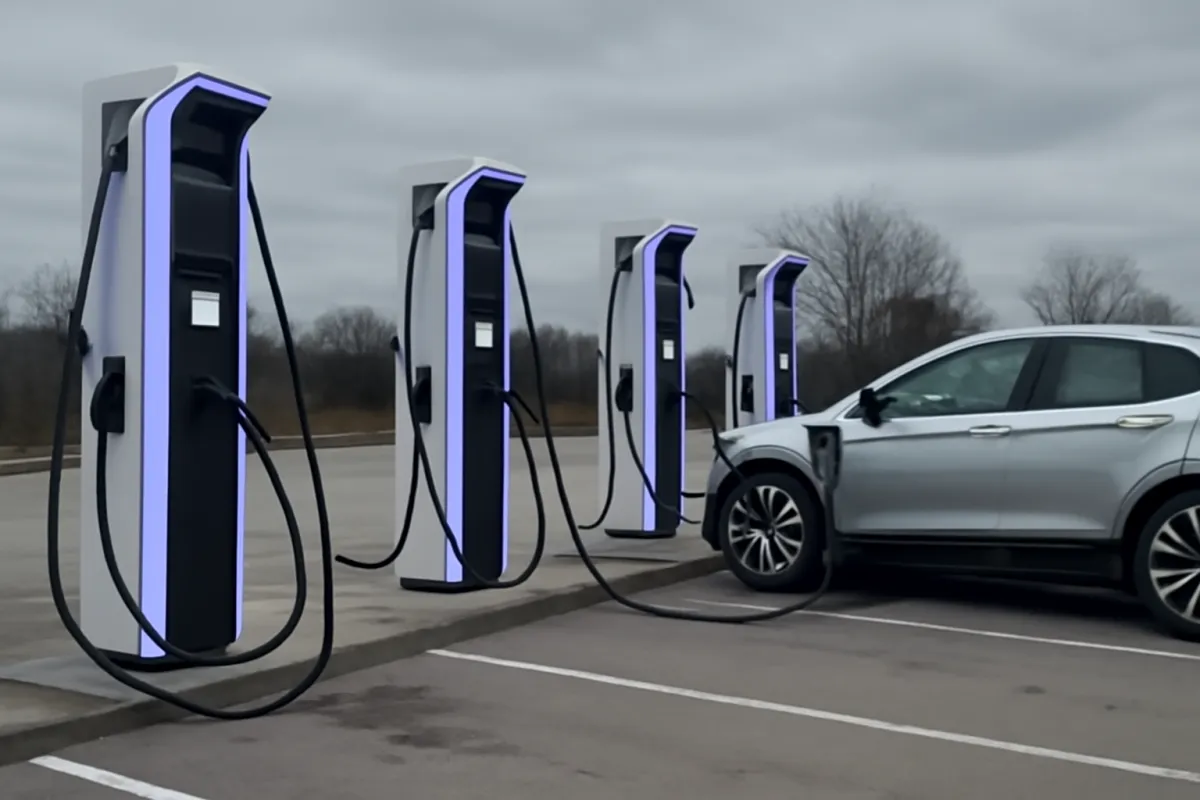
For years, the biggest practical divide in American public charging was the plug itself. Tesla used its own connector, now called NACS, exclusively for its vehicles and its Supercharger network, while most other automakers used a different standard connector for DC fast charging. That split meant a Tesla driver and a non-Tesla driver were often looking at two separate sets of chargers.
That divide has substantially narrowed. Most major automakers have announced or completed a shift to NACS as the plug on their own new vehicles, and Tesla has opened a meaningful share of its Supercharger network to non-Tesla vehicles, either through a native NACS port on newer cars or an adapter on older ones. The practical effect for a driver today is that the usable charging network available to a typical new EV is substantially larger than it was a few years ago, though the exact compatibility, adapter requirement, and which specific Superchargers are open to which brands still varies by automaker and rolls out in stages. Confirm your own vehicle’s current status directly with the manufacturer rather than assuming, since this is exactly the kind of detail that changes model year to model year.
How the major networks differ in character
Rather than ranking networks, which changes too fast and too regionally to hold up, it is more useful to understand what tends to distinguish them in character. Tesla’s Supercharger network has historically had a reputation for dense coverage along major highway corridors and consistent, reliable hardware, built originally around a single vehicle lineup before opening more broadly. Electrify America and EVgo are two of the larger non-Tesla DC fast networks in the United States, both built out substantially with highway-corridor coverage and retail-location presence, and both have invested in improving reliability after periods of documented driver frustration with uptime. ChargePoint operates differently in large part, running a large number of Level 2 stations at workplaces, retail locations, and parking garages alongside a smaller DC fast footprint, which makes it more relevant for destination and daily charging than for highway road trips.
Smaller and regional networks exist too, often tied to a specific utility, retailer, or region, and can be genuinely useful if one happens to sit on your regular route even though it is not a national name. The honest takeaway is that character differs more than any single network is simply “the best,” and matching a network’s strength, highway corridors, workplace and retail charging, or regional density, to your own driving pattern is more useful than chasing a single winner.
Coverage: why density matters more than total count
A network’s total station count is a weaker signal than it sounds, because coverage is never evenly distributed. Every network builds out its densest coverage along the highway corridors and population centers that justify the investment first, which means two networks with similar total numbers can feel completely different depending on where you actually drive.
The useful way to evaluate coverage for your own situation is checking a specific network’s map against your actual regular routes and any road trip you are planning, not comparing national totals. A network that is thin nationally but happens to have a station exactly where you need one is more useful to you than a larger network with a gap on your route. This is also why most experienced EV road-trippers plan with a routing app that shows multiple networks at once rather than checking one network’s map in isolation.
Reliability: the industry-wide weak point
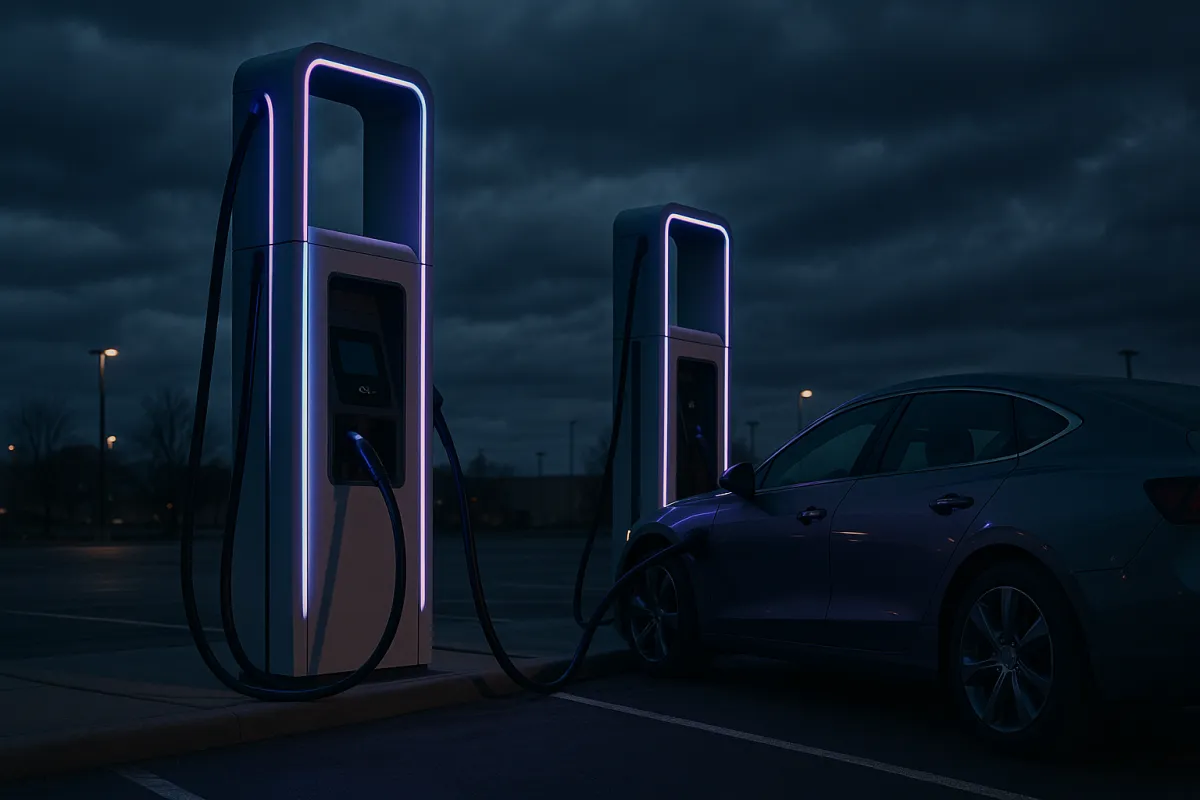
Charger reliability, meaning whether a specific unit actually works when you arrive, has been a documented frustration across the DC fast charging industry, not a problem specific to any one network. Causes have included hardware issues, payment system failures, and inconsistent maintenance, and the scale of the problem has been serious enough to shape how experienced EV drivers plan trips.
The practical response is building slack into a route rather than depending on any single charger. Many routing tools and apps now show recent reported status or community reports for a specific charger, which is worth checking before you commit to a stop, particularly on a long trip where a failed charger means a real detour rather than a minor inconvenience. Networks have been investing in reliability improvements, including proactive maintenance programs and real-time status reporting, and the trend has generally been toward improvement, but treating any single charger as guaranteed to work is still the wrong assumption to plan around. A useful mental model is to treat every charger the way you would treat a single gas pump at an otherwise empty station late at night: probably fine, but worth having a next-nearest option in mind before you commit your remaining range to it.
Illustrative share of public DC fast charging by network type
The chart below sketches a rough, illustrative picture of how public DC fast charging infrastructure has tended to split by network type in recent years. The figures are for shape only, not measured market share for any specific period, since the landscape shifts as networks expand and as NACS adoption continues.
Illustrative public DC fast charging mix by network type
A schematic picture of how public fast-charging infrastructure tends to split by network type. Illustrative only, not measured market share; the real mix shifts constantly as networks expand.
Read this as a reminder that the public charging landscape is genuinely split across several players rather than dominated by one, which is exactly why most drivers end up with more than one network app installed.
The lesson in that split is structural, not just numerical: because no single network holds anywhere close to the whole market, a driver who commits to exactly one network app is deliberately limiting their own options. The practical response, covered in its own section below, is installing the two or three apps that cover your actual routes rather than trying to pick a winner.
App and membership experience
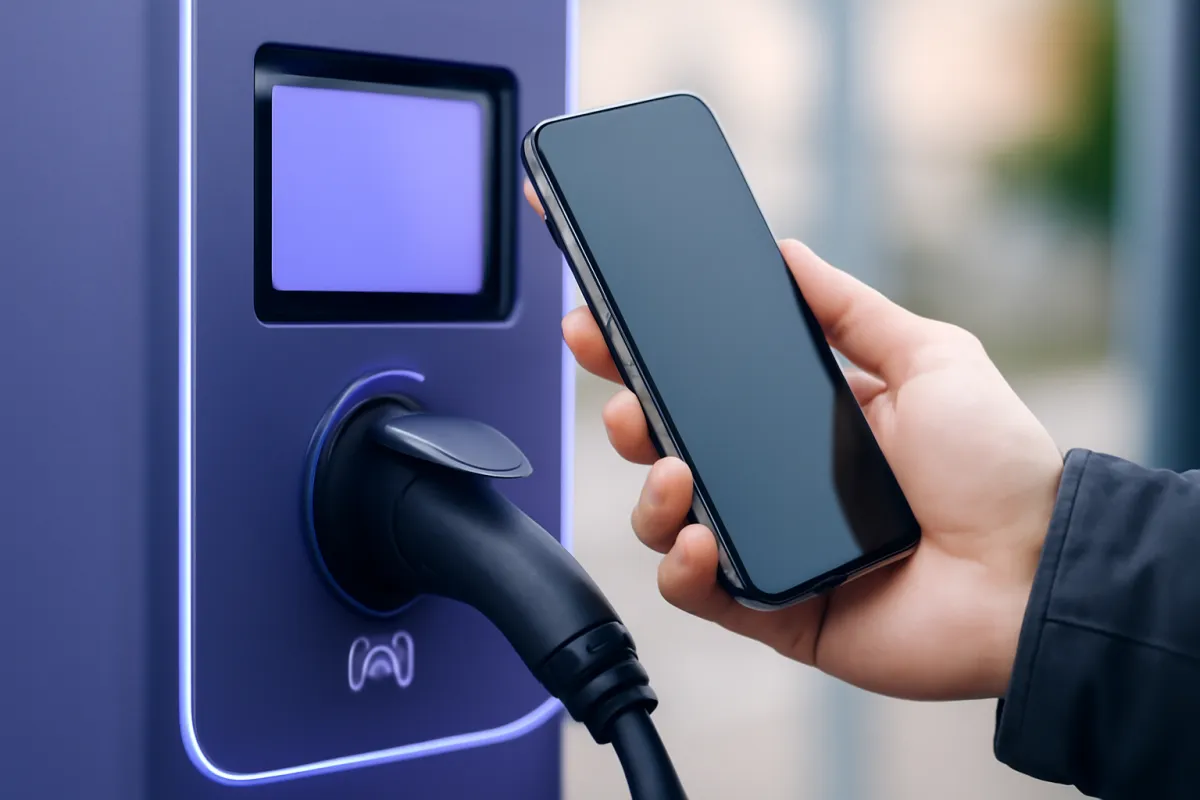
Every major network runs its own app, and the experience differs in ways that matter on a real trip: how reliably the app shows accurate real-time charger status, how smoothly a session starts, whether tap-to-pay at the unit is supported as a fallback, and how clearly pricing is shown before you commit to plugging in.
Membership plans are the other major differentiator. Most networks offer a paid monthly or annual plan that lowers the per-kWh or per-minute rate in exchange for a flat fee, aimed at frequent public charging users. Whether that trade makes sense depends entirely on how much public DC fast charging you actually do, since the flat fee is wasted money for a driver who charges mostly at home. Our public charging cost teardown works through the specific break-even math, but the short version is that membership plans reward frequent road-trippers and offer little to drivers who use public fast charging only occasionally.
Pricing models differ by network, not just by rate
Beyond the headline rate, networks differ in how they structure pricing itself. Some bill per kilowatt-hour, which charges you for energy delivered regardless of how fast your car actually accepts it. Others bill per minute, which can penalize a car that charges slowly or tapers early, and some vary pricing by charger speed tier, by time of day, or by whether you are logged in as a member versus paying as a guest.
This structural difference means comparing two networks on headline price alone can mislead you, since a lower per-minute rate on a network with slower average charging speeds can cost more for the same amount of energy than a higher per-kWh rate on a faster network. Checking the specific price and billing method shown in the app before you plug in, rather than relying on a remembered headline rate, avoids the most common source of bill surprise.
Home charging versus the network question
It is worth stepping back to place networks in context. For the large majority of EV owners with access to home charging, most charging happens overnight at home, where the cost per mile is substantially lower than any public network, our home versus public cost teardown prices the gap directly. Public networks exist primarily for road trips, for topping up away from home, and as the primary charging method for drivers without reliable home access, our apartment charging teardown covers that situation specifically.
Framed that way, the network comparison in this teardown matters most for trip planning and for drivers who rely on public charging as a primary method, and matters far less for the everyday mile of a driver who plugs in at home each night and only touches a public network occasionally.
Choosing which networks to actually sign up for
Rather than trying to pick one winner, the more useful exercise is mapping your own driving pattern against network coverage. Start with your regular commute and errand routes, and check which network, if any, has a presence you would realistically use. Then map your most common road trip routes and check which network or networks have the densest coverage along those specific corridors, since that is where reliability and density matter most.
From there, install the apps for the two or three networks that actually show up on your routes, set up payment in each one before you need it, and consider a membership plan only for a network you expect to use frequently enough to clear the break-even math. Leave the rest uninstalled until a specific trip calls for them. This approach beats either extreme, relying on exactly one network or trying to maintain accounts with every network that exists, for the amount of actual planning it requires.
How your car’s own routing interacts with network choice
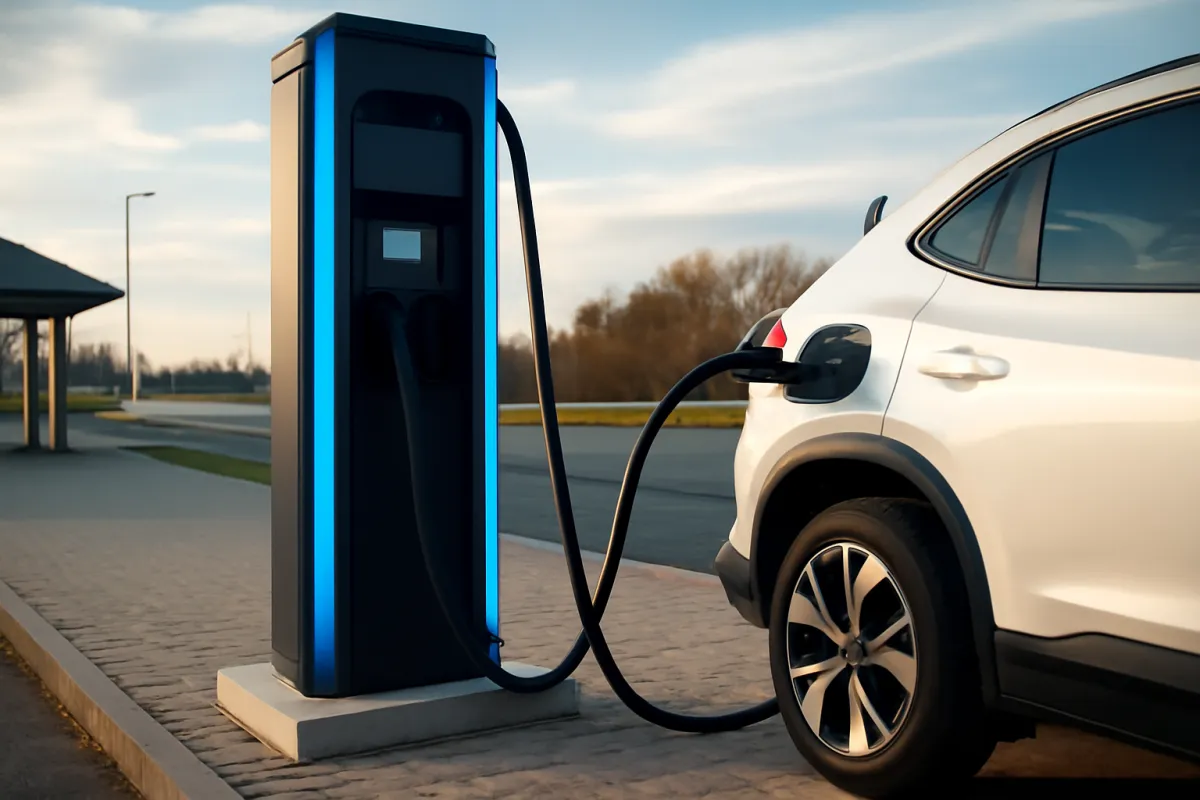
Most modern EVs include built-in trip planning that factors charging stops into a route, and increasingly this planning draws on live data from multiple networks rather than steering you toward one brand. How well this works varies by manufacturer and by how recently the car’s software has been updated, since charger network data, pricing, and even station locations change often enough that a system relying on stale data can suggest a stop that no longer exists or no longer works the way the planner expects.
A reasonable habit is treating your car’s built-in planner as a strong starting point rather than a final answer, cross-checking a suggested stop against a current network app or a third-party routing tool before you commit to a long detour for it, particularly on an unfamiliar route. Some automakers partner directly with a specific network for in-car navigation integration, which can make that network’s chargers easier to route to from the dashboard even when a different network would be equally convenient, so it is worth knowing whether your car’s planner has a built-in preference before assuming it is showing you every reasonable option.
A worked example: one road trip, two networks
Numbers make this concrete. Suppose a driver is planning a 400-mile highway trip and checking which networks sit along the route. Mapping the corridor shows a Tesla Supercharger station roughly every 60 to 100 miles for the first half of the trip, then a gap where the nearest fast charger is an Electrify America station a few miles off the highway.
The sensible plan is not choosing one network for the whole trip, it is having both apps installed, payment set up in both, and a loose mental map of which network covers which stretch. If the Supercharger the driver was counting on shows a fault report in the app, the Electrify America station becomes the real backup, and vice versa for the first half of the route. That flexibility, not brand loyalty to either network, is what actually gets the driver through the trip without a stressful detour, and the same habit scales down to a daily commute route just as well as it does to a single long weekend drive.
Checking charger status before you commit to a stop
Because reliability varies, developing the habit of checking a charger’s current status before driving to it, rather than after arriving to find it unavailable, saves real time on a trip. Most network apps show whether a station is currently reporting as working, and several third-party routing apps aggregate status and recent user reports across multiple networks at once, which is more useful than checking one network’s own app in isolation since it shows the whole picture for a given stretch of road.
A quick habit worth building: before leaving a stop on a road trip, glance at the status of your next planned charger rather than assuming it from a map pin alone. A map pin shows a charger exists. It does not show whether it worked for the last driver who tried it ten minutes ago. That small check, done at the previous stop rather than after driving out of your way, is the single most effective thing a driver can do to avoid a bad surprise, and it costs nothing but the thirty seconds it takes to glance at a screen you are already holding.
Loyalty perks, trip credits, and other network extras
Beyond the core membership-versus-pay-as-you-go decision, some networks run additional programs worth knowing about: periodic promotional credits, partnerships with automakers that bundle a charging balance or a discounted rate with certain new vehicle purchases, and occasional route-specific promotions tied to a particular corridor or season. These extras shift often enough that any specific program mentioned here would likely be outdated by the time you read it, so the reliable habit is checking directly with the network’s app or your vehicle manufacturer for anything currently active rather than assuming a past promotion still applies.
One worth confirming at purchase time regardless of current promotions: some automakers have bundled a charging credit or a membership tier with new EV purchases, delivered through the automaker rather than the network directly. If you recently bought or are shopping for a new EV, asking the dealer directly whether any such bundle currently applies is worth the thirty seconds it takes, since it is easy to miss amid the rest of the paperwork.
A different calculus for rideshare and delivery drivers
A driver putting far more miles on an EV than a typical commuter, rideshare and delivery work being the clearest example, experiences the network comparison differently than an occasional road-tripper does. Public DC fast charging becomes a more routine part of the week rather than an occasional trip tool, which shifts the membership math covered earlier firmly toward the paid-plan side of the break-even, since the volume needed to justify a monthly fee is reached far faster.
Coverage density along the specific areas a driver actually works, rather than along long-distance highway corridors, also becomes the more relevant comparison, since the relevant question changes from “which network covers my road trip route” to “which network has the most chargers inside my actual service area.” A driver in this position benefits from treating the network comparison in this teardown as an ongoing cost-of-doing-business decision worth revisiting periodically, rather than a one-time setup choice, as networks expand and pricing changes in their specific area.
A quick network cheat sheet by trip type
Pulling the comparison together by situation is more useful than a flat ranking. For a daily commute with home charging available, the network question barely matters, since most miles happen at home and public networks are rarely touched; our home charging cost teardown is the more relevant read for that situation. For an occasional weekend trip beyond home charging range, having one or two network apps installed and payment set up ahead of time, matched to whichever network covers that specific route, is enough preparation.
For a long highway road trip, checking coverage along the actual corridor in a routing tool that shows multiple networks, rather than committing to one network’s map, is worth the extra planning time, and a membership plan can be worth activating temporarily if the trip alone involves enough charging stops to clear the break-even. For a driver without home charging access or putting high weekly miles on public charging, treating network coverage and membership pricing as an ongoing decision, reviewed periodically rather than set once, better matches how much the comparison actually affects their monthly cost.
Billing quirks: how fee structures differ by network
Beyond the headline per-kWh or per-minute rate, networks attach different secondary fees that change the real cost of a session, and these differ enough between networks that they are worth checking specifically rather than assuming. Idle fees, a charge applied once your car is finished charging but still occupying the stall, are common on fast chargers industry-wide but the rate, the grace period before they kick in, and whether they apply at all varies by network and sometimes by location within the same network. Session or connection fees, a flat charge added on top of the energy cost, appear on some networks and not others, and can make a short top-up proportionally more expensive than the per-kWh rate alone suggests.
Taxes and local surcharges can also appear differently depending on the state or municipality a charger sits in, which is outside any network’s control but still shows up as a difference in the final total between two sessions on the same network in different places. None of this is unique to charging, every utility-style service has similar fee structures, but it means the number shown as the headline rate rarely equals the number charged to your card, and checking the full price breakdown in the app before starting a session, not just the per-kWh figure, is the only reliable way to know what a stop will actually cost. Our public charging cost teardown walks through this arithmetic in full.
Retail-hosted chargers and the partnership model behind them
A meaningful share of public chargers, across multiple networks, sit on property owned by a retailer, grocery store, hotel, or shopping center rather than owned outright by the charging network itself. In this arrangement, the network typically provides and operates the hardware and the app experience while the property owner hosts the physical space, sometimes in exchange for the foot traffic a charging stop brings into their store.
This arrangement explains a few things drivers notice. Hosted chargers often cluster near store entrances or in specific sections of a parking lot rather than at the edge of a property, reflecting the host’s preference for visible, convenient placement. Pricing and availability can also be shaped by the host’s hours, since a charger in a mall parking structure may be inaccessible when the mall itself is closed overnight, which is worth checking before planning an off-hours stop. None of this changes which network app or payment method you use, since the charger still belongs to its network for billing purposes, but it does explain why charger placement sometimes feels tied to retail logic rather than pure routing logic.
Accessibility and etiquette across networks
Charger etiquette is mostly network-agnostic, the same courtesy applies regardless of which company owns the pedestal, but a few points are worth stating plainly because they affect every driver sharing a station regardless of brand. Moving your car promptly once charging finishes, rather than leaving it parked at a fast charger after the session ends, is the single most requested courtesy across every network and the behavior idle fees exist to discourage. Parking only in designated EV charging spaces, and never blocking a charger with a non-charging vehicle, keeps a shared resource usable for everyone relying on it.
Accessible charging spaces, where provided, follow the same access expectations as any other accessible parking space, and should be left open for drivers who need them regardless of how busy the rest of a station is. These habits matter more, not less, as public charging infrastructure continues to be shared by a growing number of drivers across every network, since a courteous charging culture is one of the few things that scales for free.
How this landscape keeps changing
The charging network landscape in any given year looks different from the year before, driven by new station construction, the ongoing NACS transition, automaker partnerships, and periodic consolidation as smaller networks are acquired or exit the market. That pace of change is exactly why this teardown has focused on the mechanisms that matter, plug compatibility, coverage patterns, reliability habits, fee structures, rather than on naming a single best network or quoting current prices that would be stale within months.
The durable approach for any driver is treating the network comparison as something to revisit periodically rather than settle once, the same way you might periodically recheck your mobile phone plan against what competitors now offer. Checking your regular routes against current network coverage every so often, re-evaluating a membership plan if your charging habits change, and keeping an eye on your own vehicle manufacturer’s compatibility announcements as the NACS transition continues are the habits that keep pace with a landscape that is still actively being built out, rather than a comparison you do once at purchase and never revisit again.
Common mistakes when relying on charging networks
A handful of habits cause avoidable trouble. Assuming one network’s app will have everything needed for a long trip, without checking coverage on the actual route in advance, leaves a driver stranded at exactly the gap in that network’s map. Waiting until arriving at a charger to create an account and set up payment, rather than doing it in advance from home, is one of the most common sources of a slow or failed start reported by drivers.
Ignoring real-time status reports and treating every listed charger as guaranteed to work leads to avoidable detours when a unit turns out to be down. And committing to an expensive membership plan before estimating how much public charging you will actually do wastes money for a driver whose real pattern turns out to be mostly home charging with only occasional public use.
A less obvious mistake is assuming your specific vehicle’s NACS compatibility matches a general headline about the industry shift. The timeline for which models gained a native port, which require an adapter purchased separately, and which Superchargers are actually open to non-Tesla vehicles has rolled out unevenly by automaker and model year, and a driver who assumes universal compatibility without checking their own car’s status can arrive at a Supercharger expecting to plug in and find they need an adapter they left at home. Confirming this once, directly with your manufacturer, removes the uncertainty permanently.
The bottom line
No single EV charging network is simply the best, because coverage, reliability, and pricing all vary by region and by route in ways that make a universal ranking misleading. The plug question has mostly resolved as NACS adoption has opened much of the Tesla network to other brands, which is the single biggest recent change worth knowing about. Beyond that, the real decision is matching network strengths, highway corridors, workplace and retail density, regional coverage, to your own driving pattern, rather than importing someone else’s answer from a different state or a different commute.
Install the apps for the networks that actually appear on your routes, set up payment before you need it, treat reliability reports as part of your trip plan rather than an afterthought, confirm your own vehicle’s NACS compatibility directly rather than assuming it from a general headline, and only pay for a membership plan if your own public charging volume actually clears the break-even math. Put your own routes and numbers into the companion above and our calculator, and choosing a network mix stops being guesswork and becomes a plan built on where you actually drive.
This teardown is educational and independent. No network’s current pricing, coverage map, reliability statistics, or membership terms are stated here as fact, and the market share figures above are illustrative only, used to show the general shape of a multi-network landscape rather than to report measured data for any specific period. Coverage, pricing, plug compatibility, and reliability all change frequently; confirm current details directly through each network’s own app before relying on it for a trip.
Frequently asked questions
Do I need to pick one EV charging network, or can I use several?
Most EV drivers end up using several networks rather than one exclusively, because no single network covers every route or every stop. The practical approach is signing up for the apps and, if useful, the membership plans of the two or three networks most common along the routes you actually drive, rather than trying to commit to one. The car's own navigation or a routing app will often tell you which network sits at a given charger, which is the more useful thing to plan around than loyalty to a single brand.
What is NACS and why does it matter for choosing a network?
NACS is the plug design Tesla originally used for its own vehicles and network, which has since been adopted as a connector standard by most other automakers and by several non-Tesla charging networks. The practical effect is that a growing share of non-Tesla EVs can now plug into Tesla's Supercharger network, either natively or with an adapter depending on the vehicle and the charger, which has meaningfully expanded the effective size of the network available to most drivers. Confirm your specific vehicle's current compatibility and whether an adapter is required with the automaker, since the rollout has happened in stages by brand and model year.
Which EV charging network is the most reliable?
Reliability varies by network, by region, and over time as networks invest in maintenance and uptime, so no single answer holds everywhere or holds permanently. What is broadly true is that reliability has been an industry-wide pain point serious enough that it shapes trip planning for many drivers, which is why a route with a backup charger in mind beats a route that depends on exactly one stop working. Crowdsourced charger-status features in routing apps and the charging apps themselves are the most current way to check a specific charger's recent reliability before you commit to a detour for it.
Are membership plans worth it on EV charging networks?
It depends entirely on how often you use public DC fast charging. A membership plan that charges a monthly fee in exchange for a lower per-kWh or per-minute rate pays for itself only above a certain amount of public charging, and a driver who mostly charges at home and rarely uses public fast chargers is usually better off paying pay-as-you-go rates with no monthly commitment. Our public charging cost teardown works through the membership break-even math in detail.
Do all EV charging networks use the same payment method?
No, and this is one of the more common frustrations drivers report. Most networks support their own app, and many also support tap-to-pay with a credit or debit card directly at the charger, though not every charger on every network offers card payment, particularly on older hardware. Having the apps for the networks you expect to use installed and set up with payment before you need them, rather than trying to create an account standing at the charger, avoids the most common source of a slow or failed start.
Is a home charger still worth it if public charging networks keep expanding?
Yes, for most owners. Public DC fast charging is priced for speed and convenience and costs meaningfully more per mile than charging at home, our home versus public cost teardown prices the gap directly, so a home charger remains the cheapest and most convenient way to add most of your daily miles. Public networks are best understood as the tool for road trips and for drivers without reliable home charging access, not as a replacement for plugging in overnight.
Can I use a Tesla Supercharger with a non-Tesla EV?
Increasingly yes, as NACS adoption has opened a large share of the Supercharger network to other brands, either through a built-in NACS port on newer non-Tesla EVs or an adapter on older ones, though the rollout and the specific chargers available differ by automaker and region. Our step-by-step teardown on using a Supercharger with a non-Tesla EV covers exactly what to check and how the session works in practice.
Why do some chargers on the same network charge different prices?
Pricing within a single network commonly varies by location, by charger speed, by time of day in some markets, and by whether you are a paying member or using pay-as-you-go rates, so two chargers on the same network app can show different prices for a reason that has nothing to do with a billing error. Checking the price shown in the app or on the unit's screen before you plug in, rather than assuming a flat network-wide rate, avoids an unpleasant surprise on the final bill.