What's in this teardown
- Why EV battery longevity is mostly about habits
- Before you start: your charge settings, climate, and how you drive
- Step 1: Stick to the 20 to 80 percent daily charge window
- Step 2: Limit DC fast charging to when you need it
- Step 3: Avoid leaving it at 100 percent or near empty for long
- Step 4: Manage temperature by parking in shade and preconditioning
- Step 5: Avoid deep discharges and long storage at extremes
- Step 6: Keep your software updated for battery management improvements
- Step 7: Drive smoothly because harsh cycling stresses the cells
- Step 8: Follow the manufacturer’s battery care guidance
- A worked example: careful versus careless habits over eight years
- Common mistakes that shorten an EV battery’s life
- Troubleshooting: hot climates, road trips, apartments, and older packs
- The EV battery-care checklist
- The bottom line
Short answer: To extend EV battery life, cap daily charging around 80 percent and top to 100 only before a trip that needs it, use home or slower charging for routine top-ups instead of DC fast charging for every charge, keep the car out of heat and never leave it full and baking in the sun, avoid running to near empty out of habit, and follow your manufacturer's battery-care guidance. Degradation is gradual, not a cliff.
An EV battery is not a mystery box that either survives or dies on luck, it is a component that ages slowly and predictably, and a handful of ordinary habits decide whether it ages a little slower or a little faster. The drivers who worry most about battery life are usually the ones doing nothing wrong, while the genuinely damaging patterns, sitting at a full charge in the heat for days, running to near empty out of habit, fast charging for every single top up, are easy to avoid once you know they matter. This teardown turns battery care into eight concrete habits, each with the action, an illustrative sense of scale, and the caveat that keeps you honest.
The promise is simple: follow these habits and you give the pack the gentlest life your driving allows, which protects both its range and its resale value over the years you own the car. None of this is about babying the battery to the point of inconvenience, and none of it changes the core fact that a modern EV pack usually outlasts the useful life of the car. For the bigger picture on how long that is, our battery-lifespan teardown walks through the degradation curve, our replacement-cost teardown prices what a pack is worth, and our range teardown covers getting the most out of each charge, which is a different question from the battery health this piece is about. Every figure here is illustrative and shifts with your specific car, chemistry, and climate, so treat the numbers as directional. See how your own charge cap and fast-charging habits shape the picture with the companion tool as you read.
Key takeaways
- The single most useful habit is a sensible daily charge cap, commonly around 80 percent, topping to 100 percent only before a trip that needs the full pack, because sitting at a high charge accelerates aging a little over time.
- Occasional DC fast charging is safe and the car protects the pack, but leaning on it for almost every charge, especially in heat, adds modest extra wear over the years, so use home or slower charging for routine top-ups.
- Heat is one of the harder things on a battery, and it is worst combined with a full charge, so park in shade or a garage and avoid leaving the car full and baking in the sun.
- Degradation is gradual, not a cliff, and the gap between careful and careless habits shows up as retained range and resale value over years, rarely as the difference between a working and a dead pack.
- Every number here is illustrative and varies by model and chemistry, so the safest single move is to follow your own manufacturer's battery-care guidance and keep the software current.
Why EV battery longevity is mostly about habits
The instinct that trips people up is treating an EV battery like a phone battery, which visibly fades within a couple of years, or like an old car part that will suddenly fail. Neither is a good model. A modern EV pack is a large, actively managed lithium battery with a thermal system and software watching over it, and it degrades slowly, losing a small, illustrative percentage of capacity per year that compounds gently rather than dropping off a cliff. That means the outcome you care about, how much range the pack keeps after many years, is shaped less by luck and more by the everyday patterns of how you charge, store, and cool it.
There are three levers that actually move battery aging, and every habit in this teardown pulls on one of them. The first is state of charge: how full you keep the pack and for how long, since both very high and very low charge are mildly stressful, and time spent at a high charge in particular is a factor. The second is temperature: sustained heat is the classic accelerant of battery aging, and it does the most damage when the pack is also sitting full. The third is charging stress: very high-power fast charging, repeated as the default, contributes a little more wear than gentler charging over the life of the pack. Almost everything else, including how hard you drive, is a smaller effect layered on top.
What degrades an EV battery fastest
Approximate relative contribution of common factors to how quickly an EV pack ages; illustrative and directional, not model-specific.
Shares shift with your car and climate: heat dominates in hot regions, charge habits dominate for a garaged commuter. The point is the ranking of what to manage, not the exact split, and calendar aging happens no matter what you do.
The reassuring part is that none of these levers demands sacrifice. A sensible charge cap costs you range you were not using, parking in shade is free, and slower home charging is usually cheaper as well as gentler. The habits below are not a maintenance chore so much as a set of defaults that, once set, quietly protect the pack for years without further thought. Get them right and the battery becomes the part of the car you stop worrying about.
Before you start: your charge settings, climate, and how you drive
Three things turn this teardown from general advice into a plan for your actual car. Gather them before you change a single habit, because the right emphasis depends on them.
First, your car’s charge settings. Open the charging menu and find whether it offers a charge limit, a daily versus trip mode, or a scheduled charge that finishes near your departure time. These are the controls that make the most important habit, the daily cap, effortless once set. If you charge at home on a wall box or a portable charger, note whether the schedule lives in the car or the charger, since either can do the job. Second, your climate, honestly assessed. A car that lives in a hot region, or parks outside in direct sun, has more to gain from temperature habits than one garaged in a mild climate, and that changes which steps matter most for you. Third, how and where you charge day to day: mostly home or workplace charging on slower equipment, or mostly public DC fast charging, since that determines how much the fast-charging habit applies to you.
Two more inputs sharpen the plan. Note whether you have a garage or shaded parking available, because that is the single biggest practical lever on heat. And note your car’s rough age and how it is used, since a daily commuter with plenty of spare range can run a tighter charge cap than a car whose owner regularly needs most of the pack.
Realistic effort and difficulty: setting these habits up takes perhaps fifteen minutes in the car’s menus once, and almost no ongoing effort after that. You need no tools and no technical skill, only access to the charging settings and a willingness to change a few defaults. Difficulty is low, and the payoff compounds quietly over every year you own the car. Set your daily charge cap and your fast-charging pattern in the companion tool to see which habit is your biggest lever before you read the steps.
Step 1: Stick to the 20 to 80 percent daily charge window
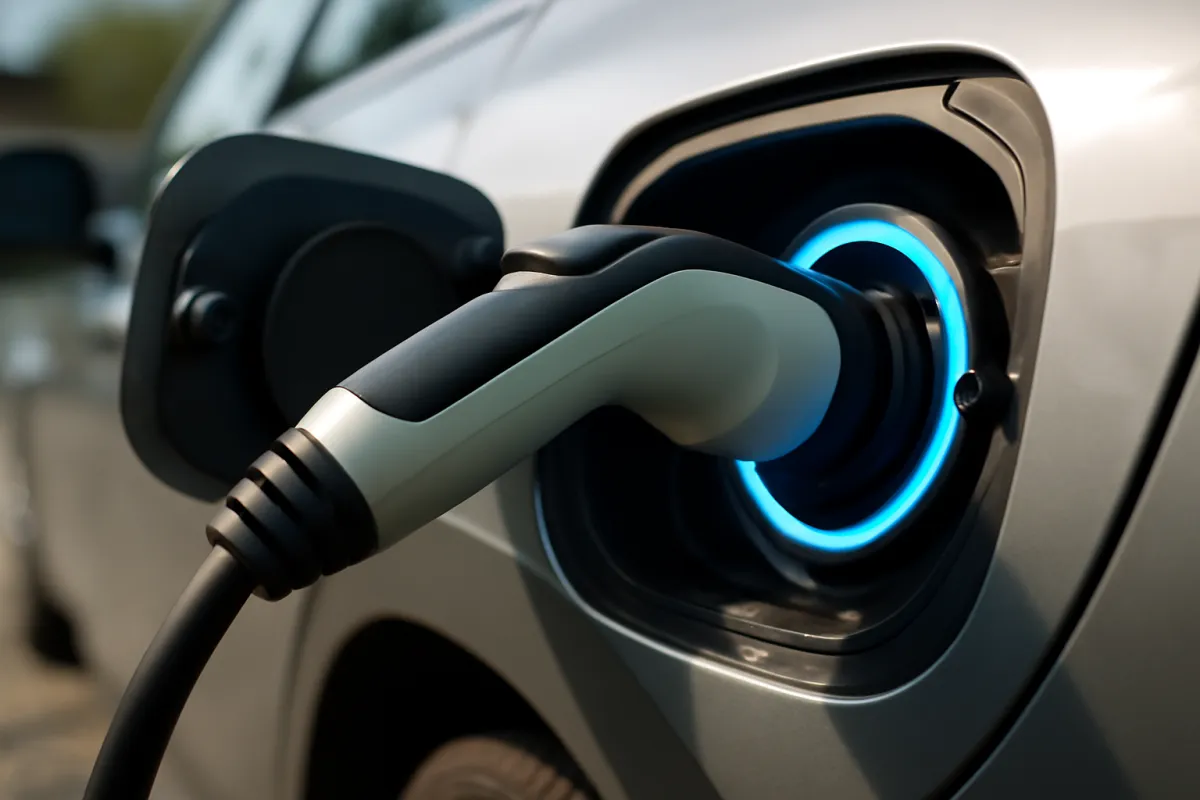
Start with the habit that does the most for the least effort: keep the pack in roughly the 20 to 80 percent band for everyday driving, rather than routinely charging to a full 100 percent or running down toward empty. A lithium battery is happiest in the middle of its range, and the top of the charge in particular is where sitting full adds a little stress over time. Charging to about 80 percent for daily use keeps a comfortable buffer, still leaves most drivers far more range than a commute needs, and is the closest thing there is to a free lunch in battery care.
The action is concrete and usually a one-time setting. Open the car’s charging menu and set a daily charge limit near 80 percent, or use its daily versus trip mode if it has one. Then simply top higher only before a trip that genuinely needs the full pack. As an illustrative sense of scale, a car rated near 300 miles still gives you around 240 miles from an 80 percent charge, which comfortably covers the daily driving of almost everyone, so the range you give up is range you were not using anyway. If your car lets you schedule charging to finish near your departure time, use it, so the pack spends less time sitting full.
The caveat: the 20 to 80 band is a gentle daily default, not a rule you must never break, and the exact best numbers are illustrative and vary by chemistry and model. Some newer battery types are less sensitive and the maker may even recommend regular full charges for them, which is exactly why Step 8 says to follow your own car’s guidance above any generic figure. An occasional full charge for a trip does no meaningful harm; the habit this step targets is sitting at 100 percent every day out of routine.
Step 2: Limit DC fast charging to when you need it
The second habit is to treat high-power DC fast charging as the tool for when you need speed, not the default for every top-up. Fast charging pushes a lot of energy into the pack quickly, which generates heat and asks more of the cells than gentle charging does, and while the car manages this carefully, leaning on it for almost every charge can add modest extra wear over the years. The fix is not to fear fast charging, which is one of the best things about modern EVs, but to lean on slower home or workplace charging for routine top-ups and save the fast chargers for trips and genuine time pressure.
The action depends on where you charge. If you have home or workplace charging, make that your default for daily driving, letting the car sip energy slowly overnight or through the workday, which is both gentler on the pack and usually cheaper. Reserve DC fast charging for road trips, for days when you simply ran the battery lower than planned, and for anywhere slower charging is not practical. As an illustrative sense of scale, a driver who fast charges for nearly every session may see the pack age a little faster over many years than one who mostly charges slowly at home, though both are likely to keep the car well within a usable range.
The caveat: occasional fast charging is completely fine and using it when you need it is exactly right, so do not let this habit become anxiety at a road-trip charger. The car protects the pack by managing its temperature and tapering the charging speed, which is why fast charging is safe to use freely. This step is only about the daily default: if you can choose slower charging for routine top-ups, that is the gentler choice, and if you cannot, an EV that is mostly fast charged still gives most owners many good years. The effect is a modest, illustrative one, not a reason to avoid the fast chargers that make longer trips possible.
Step 3: Avoid leaving it at 100 percent or near empty for long
The third habit sharpens the first: it is not only how high or low you charge that matters, but how long the pack sits at an extreme. A battery parked at a full 100 percent for days, or sitting near empty for a long stretch, spends that whole time under mild stress, and time at an extreme is a bigger factor than briefly touching one. The habit is therefore to avoid long dwell time at the top or bottom of the range, which mostly comes down to timing your charging rather than adding any new task.
The action is about timing, not effort. If you do need a full charge for a trip, schedule it so the pack reaches 100 percent close to when you actually leave, then drive down out of that top band, rather than charging to full the night before and letting it sit. On the low end, try not to leave the car near empty for long; if you arrive home with a very low battery, plug in rather than leaving it at a few percent for days. As an illustrative sense of scale, a full charge that sits overnight is a far smaller concern than a car left at 100 percent, or near empty, for a week while you travel, which is the pattern most worth avoiding.
The caveat: this is about long dwell time at the extremes, not brief visits. Reaching 100 percent for a trip and driving off shortly after is fine, and momentarily dipping low before you charge is not a problem. If your car offers a scheduled or departure-based charge, it is doing this timing for you, which is one more reason to use it. And if you must leave the car parked for an extended period, Step 5 covers the storage version of this idea, where the target is a comfortable middle charge rather than either extreme.
Step 4: Manage temperature by parking in shade and preconditioning
The fourth habit targets heat, which the chart above ranked as one of the biggest accelerants of battery aging. Sustained high temperature is hard on a lithium pack, and it does the most damage when the battery is also sitting at a high charge, so a full car baking in the sun is close to the least favorable case you can create. The good news is that the most effective responses are ordinary and mostly free: keep the car cooler when it is parked, and let its own thermal management do the work it is designed to do.
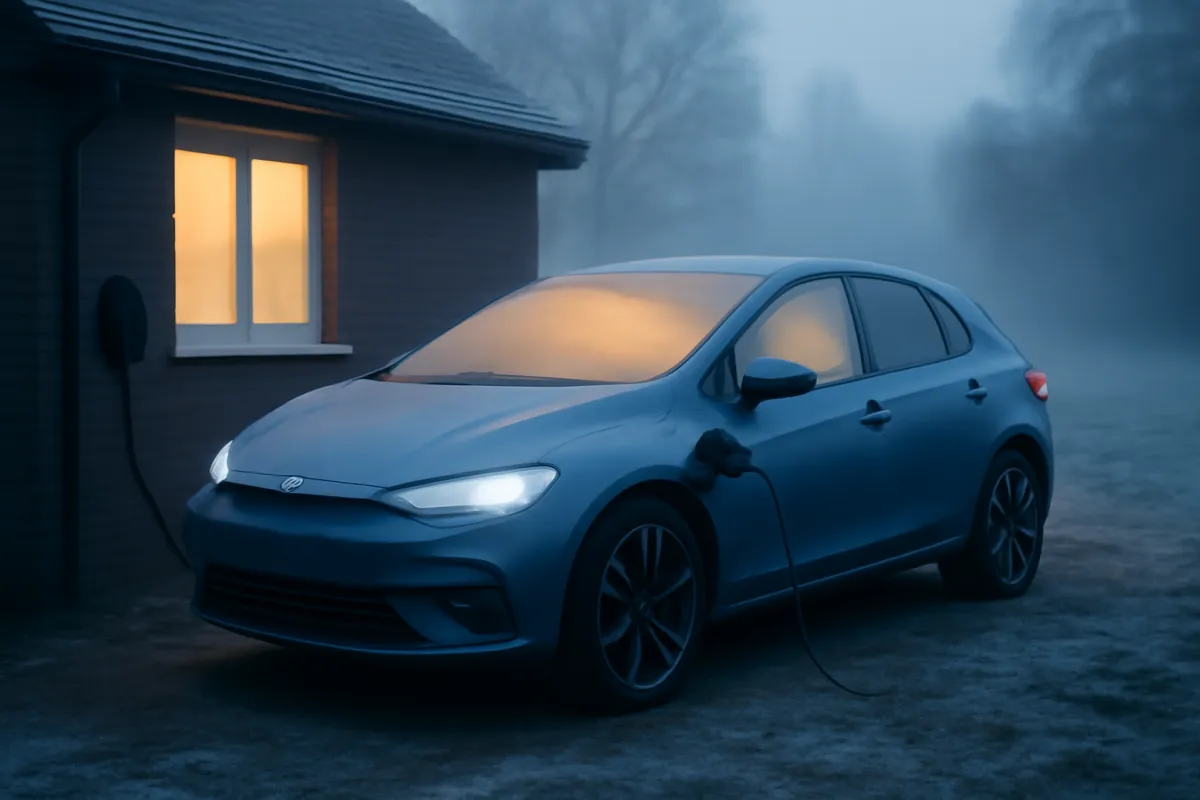
The action is simple and situational. Park in shade or a garage whenever you reasonably can, especially in summer and especially if the car is sitting for hours, since that alone spares the pack a lot of heat. Where it helps, keep the car plugged in so its thermal system can manage the battery temperature using wall power rather than the pack itself. And use preconditioning: warming or cooling the cabin and pack while still plugged in before you drive, which both spares range and, in cold weather, lets the battery accept charging at full speed. As an illustrative sense of scale, a car that mostly lives garaged in a hot region is being handed a meaningfully gentler life than one that parks all day in direct sun at a full charge.
The caveat: modern EVs actively cool and heat their packs, so this habit is about not fighting the car rather than constant vigilance. You do not need to obsess over every warm afternoon, and a car left in the sun occasionally is not ruined. The point is the sustained pattern: a pack that regularly sits full and hot ages faster than one kept cooler and at a moderate charge. Do the easy things, shade, garage, plug in, precondition, and you have taken most of the available heat protection without changing your life. Cold has its own effects on usable range, which our range teardown covers in detail.
Step 5: Avoid deep discharges and long storage at extremes
The fifth habit covers two related cases that ordinary daily driving rarely hits but that quietly matter: repeatedly running the pack down to near empty, and leaving the car parked for a long time at an extreme charge. Both put the battery in a stressful state, and the storage case in particular can matter if you travel or store a seasonal car. The habit is to avoid routine deep discharges and, when the car will sit unused for a while, to leave it at a comfortable middle charge rather than full or empty.
The action has two parts. First, for everyday use, treat near empty as a place you pass through on the way to charging, not a routine resting state; if you often arrive home very low, charge sooner rather than leaving it there. Second, for storage, if you will leave the car parked for weeks, aim to leave it at a moderate charge, commonly cited around the middle of the range rather than at 100 or near 0 percent, and where possible let it stay plugged in so its systems can maintain a healthy level. As an illustrative sense of scale, a car stored for a month at a moderate charge in a cool place is in a far better state than one left full in the heat or drained near empty for the same time.
The caveat: you do not need deliberate deep-discharge cycles to keep the pack healthy, and the old advice to fully drain a battery does not apply to modern EV lithium chemistry. The one exception is when the car itself asks you to charge to full occasionally so its software can recalibrate the range estimate, which is about the gauge rather than the cells, and following that prompt is fine. For long storage, check your own car’s guidance, since some models have a specific storage mode or recommended charge level that is the number you should actually use.
Step 6: Keep your software updated for battery management improvements
The sixth habit is the easiest to overlook: keep the car’s software current, because the battery management system that protects and balances the pack is software, and manufacturers do refine it over a car’s life. Updates can adjust how the car charges, manages temperature, balances the cells, and estimates range, and staying current means the pack is being looked after by the latest version of that logic rather than an old one. This is a habit of not neglecting updates rather than any active effort on your part.
The action is mostly to allow and install updates when they come. If your car supports over-the-air updates, keep them enabled and let them install, ideally while parked and plugged in as the car recommends. If your model updates through a dealer or service visit instead, do not skip those, since they can carry the same kinds of improvements. Read the notes when they are provided, since they sometimes mention charging or battery-related changes, and follow any new guidance the maker gives about charge limits or care, which can evolve. As an illustrative point, a battery-management refinement that slightly improves how the pack is balanced or thermally managed is exactly the sort of quiet, cumulative benefit you get for free simply by staying current.
The caveat: updates are not a way to reverse degradation that has already happened, and you should be a little skeptical of a jump in indicated range after an update, since that is often the range estimate being recalibrated rather than real capacity returning. The value here is keeping the protective software current, not expecting miracles. Follow the car’s own advice about when and how to update, avoid interrupting an update in progress, and treat this as basic upkeep, on the same footing as any other maintenance the manufacturer recommends.
Step 7: Drive smoothly because harsh cycling stresses the cells
The seventh habit is the one drivers most expect to matter and that actually matters least: how you drive. Very hard acceleration draws large bursts of current from the pack, and repeated harsh cycling does place a little more stress on the cells and generates more heat than smooth driving, so a gentler style is marginally kinder to the battery over time. It is included here for completeness and because it costs nothing, but it belongs near the bottom of the list precisely because its effect on long-term battery health is modest compared with charge habits and heat.
The action is simply to drive smoothly most of the time. Ease onto the accelerator rather than flooring it from every light, anticipate stops and let regenerative braking recover energy gently rather than braking hard, and settle into a steady pace rather than constant sharp acceleration and deceleration. As an illustrative sense of scale, smooth driving contributes a small slice to battery longevity while also noticeably improving your real-world range, which our range teardown covers, so the same habit pays you back twice, once in range today and a little in battery health over the years.
The caveat: this is a modest effect, and you should not read it as needing to drive timidly or give up the responsiveness that makes an EV enjoyable. Occasional brisk acceleration does no meaningful harm to the pack, and the car’s systems manage the loads involved. The honest framing is that if you already do the charge and heat habits above, smooth driving is a small bonus rather than a make-or-break factor, so enjoy the car. It earns its place on the list mainly because it is free and because it improves your everyday range at the same time.
Step 8: Follow the manufacturer’s battery care guidance
The eighth habit is the one that governs all the others: when a generic figure and your own car’s guidance disagree, follow your car. Every number in this teardown is illustrative and directional, chosen to show the shape of good battery care, but the people who designed your specific pack, with its specific chemistry and thermal system, know its ideal charge limits and care routine better than any general rule. Treating the owner’s guidance as the final word is what turns the habits above from approximate to correct for your car.
The action is to find and follow that guidance. Read the battery and charging section of your owner’s materials, note the daily charge limit the maker actually recommends, and use the car’s built-in charge modes as intended, since features like a daily versus trip mode encode the manufacturer’s own advice. Some newer battery chemistries are genuinely less sensitive to high charge and the maker may recommend charging them to full regularly, which would override the generic 80 percent default from Step 1, and only your car’s guidance tells you that. As an illustrative point, two EVs sitting side by side can have different ideal daily charge levels because their cells differ, so the right cap is the one your car names, not a number from any article.
The caveat: manufacturer guidance can change over time, especially alongside software updates, so treat it as something to check rather than set once and forget. If the maker updates its charging advice, follow the new version. And if anything in this teardown ever conflicts with what your car tells you, your car wins, because these habits are a general framework and your owner’s guidance is the specific truth for your pack. When in doubt, the safest move is always to do what your manufacturer recommends and to raise real concerns with a qualified service technician.
A worked example: careful versus careless habits over eight years
Numbers land harder as a story, so here are two illustrative owners of the same car, driven the same miles, differing only in habits, with every figure directional rather than a spec for any particular vehicle. Both start with a pack rated near 300 miles and keep the car for eight years. The point is the shape of the gap between them, not the exact percentages, which will differ for your car, chemistry, and climate.
The careful owner sets a daily charge cap near 80 percent, tops to full only before trips and times those charges close to departure, charges mostly at home on slower equipment, fast charges only on the road, parks in a garage, and lets the car precondition and stay plugged in. The careless owner charges to 100 percent every night and lets it sit, runs down toward empty routinely, fast charges for almost every session out of convenience, parks all day in direct summer sun, and ignores software updates. Neither is doing anything dramatic; the difference is entirely in the everyday defaults each has chosen.
Careful versus careless: battery health over time
Illustrative retained capacity after eight years for two owners of the same car, differing only in habits; directional, not a measured result for any model.
Both cars remain comfortably usable, and the exact split is illustrative. The lesson is that habits move where you land on the curve, not whether the pack survives, which it does either way.
Now put the gap in perspective. On these illustrative numbers, the careful owner ends year eight with more retained range than the careless one, and, just as importantly, a pack a used-car buyer will trust and pay more for. Yet both cars are still perfectly usable: even the careless owner’s pack retains most of its capacity, which is the honest reality of gradual degradation. So the value of these habits is real but bounded: they buy retained range and resale value, and they keep you comfortably away from the warranty floor our battery-lifespan teardown describes, rather than being the difference between a working and a dead battery. Run your own charge cap and fast-charging habits through the companion tool to see which lever moves your version of this picture most.
Common mistakes that shorten an EV battery’s life
A handful of recurring mistakes account for most avoidable battery wear, and naming them is half the fix.
- Charging to 100 percent every day and letting it sit. The occasional full charge is fine, but sitting at 100 percent daily, especially in heat, is the habit most worth changing. Set a daily cap near 80 percent and top higher only before a trip that needs it.
- Fast charging as the default for every top-up. Occasional fast charging is safe and useful, but relying on it for almost every session adds modest wear over the years. Lean on home or slower charging for routine top-ups and save fast charging for trips and time pressure.
- Leaving the car at 0 or 100 percent for days. Long dwell time at an extreme is worse than briefly touching one. Time full charges close to departure, plug in rather than sitting near empty, and store at a moderate charge if the car will be parked for weeks.
- Letting the pack bake full in the heat. Heat plus a high charge is the least favorable case. Park in shade or a garage, keep the car plugged in where it helps its thermal system, and avoid leaving it full in direct summer sun.
- Ignoring software updates. The battery management system is software, and skipping updates means missing refinements to how the pack is charged, cooled, and balanced. Keep updates enabled and install them as the car recommends.
- Chasing a generic number over your car’s guidance. The 80 percent default suits many cars, but some chemistries are meant to be charged full. When a general rule and your manufacturer’s advice disagree, follow your car.
Each mistake is a comfortable default rather than active neglect, which is exactly why they persist until someone points them out. Swapping each for its gentler version costs almost nothing and compounds quietly over the years you own the car.
Troubleshooting: hot climates, road trips, apartments, and older packs
What if I live in a hot climate? Then temperature is your biggest lever, so lean hardest on Step 4. Park in shade or a garage whenever you can, avoid leaving the car sitting at a full charge in the heat, and keep it plugged in where that lets the thermal system manage the pack on wall power. Combining a lower daily charge cap with cooler parking is the strongest thing you can do, since heat does the most damage when the pack is also full. The car’s active cooling handles a lot, so this is about not stacking heat and a high charge together rather than constant worry.
What if a road trip needs a full 100 percent charge? Then charge to full, because that is exactly what the top of the pack is for, and time it so the car reaches 100 percent close to when you leave rather than sitting there overnight. On the trip itself you will mostly charge in the faster 20 to 80 percent band between stops, which our road-trip teardown explains, topping to full only before a long gap between chargers. An occasional full charge for travel is not the habit this teardown warns against; sitting at 100 percent every day is.
What if I live in an apartment and can only fast charge? Then do not feel you are harming the car by fast charging, since for many drivers it is the only practical option and modern packs handle it. Soften the effect where you can: avoid also leaving the car at a very high charge in the heat, use any slower charging you occasionally have access to, and keep a sensible charge cap on the fast charger if the car allows it. The effect of mostly fast charging is a modest, illustrative one, and an apartment-dwelling EV owner still gets many good years from the pack.
What if my battery is already older? Then you cannot undo the fade that has happened, but the same habits slow further loss and are worth adopting now. Keep the daily cap sensible, avoid the extremes, lean less on fast charging for routine top-ups, keep the pack out of prolonged heat, and stay current on updates. For what the remaining pack is worth and when replacement even enters the picture, our replacement-cost teardown puts the numbers in context. Treat these habits as protecting what is left rather than restoring what is gone.
The EV battery-care checklist
Keep this short list somewhere you will see it, and the habits become automatic.
- Set a daily charge cap near 80 percent in the car’s menu, and top to 100 percent only before a trip that needs the full pack.
- Charge slowly at home for daily top-ups where you can, and save DC fast charging for road trips and genuine time pressure.
- Avoid long dwell time at extremes: time full charges close to departure, plug in rather than sitting near empty, and store at a moderate charge.
- Manage heat: park in shade or a garage, keep the car plugged in where it helps, and precondition while connected before you drive.
- Do not leave the car full and hot, since heat plus a high charge is the least favorable combination for the pack.
- Keep the software current: enable and install updates as the car recommends, since battery management can improve over time.
- Drive smoothly most of the time, which is a small bonus for the pack and a real gain for your everyday range.
- Follow your manufacturer’s guidance above any generic number, and raise real battery concerns with a qualified technician.
Work down the list once, set the defaults, and battery care mostly takes care of itself from then on, which is exactly what you want from the part of the car you would rather not think about.
The bottom line
Extending an EV battery’s life is not about a secret trick or babying the car, it is about choosing a few gentle defaults and letting them compound. Keep the pack in roughly the 20 to 80 percent band for daily driving, save DC fast charging for when you need it, avoid leaving the car at a full or empty extreme for long, and keep it out of sustained heat, especially while full. Add keeping the software current, driving smoothly, and following your manufacturer’s guidance, and you have given the battery the gentlest life your driving allows.
The honest framing is that these habits move where you land on a gradual degradation curve, buying retained range and resale value over the years, rather than being the difference between a working and a dead pack, which usually outlasts the useful life of the car either way. Every figure here is illustrative and shifts with your specific car, chemistry, and climate, so treat the numbers as directional and follow your own car’s guidance where it differs. See which habit is your biggest lever, and how your charge cap and fast-charging pattern shape the picture, with the companion tool, then set the defaults once and stop worrying about the battery.
This teardown is educational and independent, written by people who would rather protect a battery than repeat a myth. Every percentage, capacity figure, charge level, and timeframe above is illustrative and directional, meant to show the shape of good battery care rather than a specification for any particular vehicle, and your real results will differ with your exact car, its battery chemistry and thermal system, your climate, and how you charge, store, and drive. Battery technology, charging guidance, and manufacturer recommendations vary by model and change over time, so confirm the current advice for your own vehicle before you rely on any figure here. Nothing in this teardown is professional, safety, or warranty advice, and any real concern about your battery’s health should be raised with a qualified service technician.
Frequently asked questions
Does charging to 100 percent damage an EV battery?
Charging to 100 percent occasionally, such as before a long trip, is fine and is what the top of the battery is there for. The habit worth avoiding is leaving the pack at a full 100 percent every day and sitting there for hours, because a battery held at a high state of charge, especially in heat, tends to age a little faster over time. For daily use most guidance points toward a lower cap, commonly around 80 percent, which keeps a buffer and eases the stress on the cells. The effect of any single full charge is small and illustrative, so treat this as a gentle daily default rather than a rule you can never break.
What is the best charge level to keep an EV at daily?
A widely cited daily target is roughly the 20 to 80 percent band: charge up to about 80 percent for normal driving and try not to run routinely down to near empty. That window keeps the battery away from both stressful extremes while still giving most drivers far more range than a daily commute needs. Some manufacturers build this in with a selectable charge limit or a daily versus trip mode, and following the car's own recommendation is always the safest move. The exact best number is illustrative and varies by chemistry and model, so set the cap the car suggests and top higher only when a trip genuinely needs the full pack.
Does DC fast charging ruin an EV battery?
Occasional DC fast charging does not ruin a modern EV battery. The car actively manages the pack's temperature and charging speed to protect it, which is why fast charging is safe to use when you need it, such as on road trips. The nuance is that relying on high-power fast charging for almost every charge, particularly in hot conditions, can contribute a little more wear over the years than gentler home or slower charging. For most owners the practical takeaway is simple: fast charge freely when it saves the day, but lean on home or slower charging for routine top-ups when you have the choice. The difference is a modest, illustrative one, not a cliff.
How much does careful charging actually extend battery life?
There is no single guaranteed number, and any figure you see is illustrative rather than a promise. The honest framing is that battery degradation is gradual and that gentle habits, a sensible daily charge cap, less reliance on fast charging, and keeping the pack out of extreme heat, tend to slow the fade rather than stop it. Over many years the gap between careful and careless habits can show up as a meaningful difference in how much range the pack retains, but the pack usually outlasts the useful life of the car in either case. Treat careful habits as buying margin and resale value, not as the difference between a working and a dead battery.
Does hot weather damage an EV battery?
Sustained high heat is one of the harder things on a lithium battery over time, which is why managing temperature is one of the habits in this teardown. Heat matters most when it combines with a high state of charge, so a pack left full and baking in the sun is the least favorable case. The practical responses are ordinary: park in shade or a garage when you can, avoid leaving the car sitting at 100 percent in the heat, and let the car's thermal management do its job by keeping it plugged in where appropriate. Modern EVs actively cool their packs, so this is about not fighting the car rather than constant worry, and every effect here is gradual and illustrative.
Should I charge to 100 percent for a road trip?
Yes, charging to 100 percent before a road trip is a good use of the full pack, and it is exactly the situation the top of the battery exists for. The habit to avoid is not the occasional full charge, it is leaving the car sitting at 100 percent for a long time before you actually drive. The best pattern is to time the charge so the car reaches full close to when you leave, then drive down out of that top band. On the trip itself, our road-trip teardown explains why you then mostly charge in the faster 20 to 80 percent band between stops rather than filling to the brim each time. Confirm your own car's guidance, since some models handle the full charge differently.
Can I extend the life of an older EV battery?
You cannot undo degradation that has already happened, but you can slow further fade with the same habits that help a new pack, and that is worth doing. Keep the daily charge cap sensible, avoid leaving the car at extremes of charge, lean less on fast charging for routine top-ups, and keep the pack out of prolonged heat. Staying current on software updates matters too, since battery management can improve over a car's life. None of this reverses lost capacity, and any recovered range from a reset gauge is a measurement change rather than real healing, so treat these habits as protecting what is left. For what the remaining pack is worth, our replacement-cost teardown puts the numbers in context.
Do I need to fully discharge my EV battery sometimes?
No. The old advice to fully discharge a battery comes from older chemistries and does not apply to modern EV lithium packs, which actually prefer to avoid the very bottom of their range. You do not need deep discharge cycles to keep the pack healthy, and routinely running to near empty is one of the extremes worth avoiding. Occasionally the car may ask you to charge to full to let its software recalibrate the range estimate, and following that prompt is fine, but that is about the gauge, not about conditioning the cells. For everyday use, keeping the pack in a comfortable middle band is better for it than any deliberate full drain.